
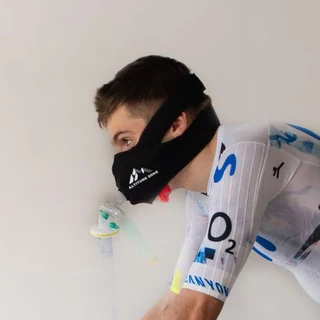
 Intermittent hypoxia
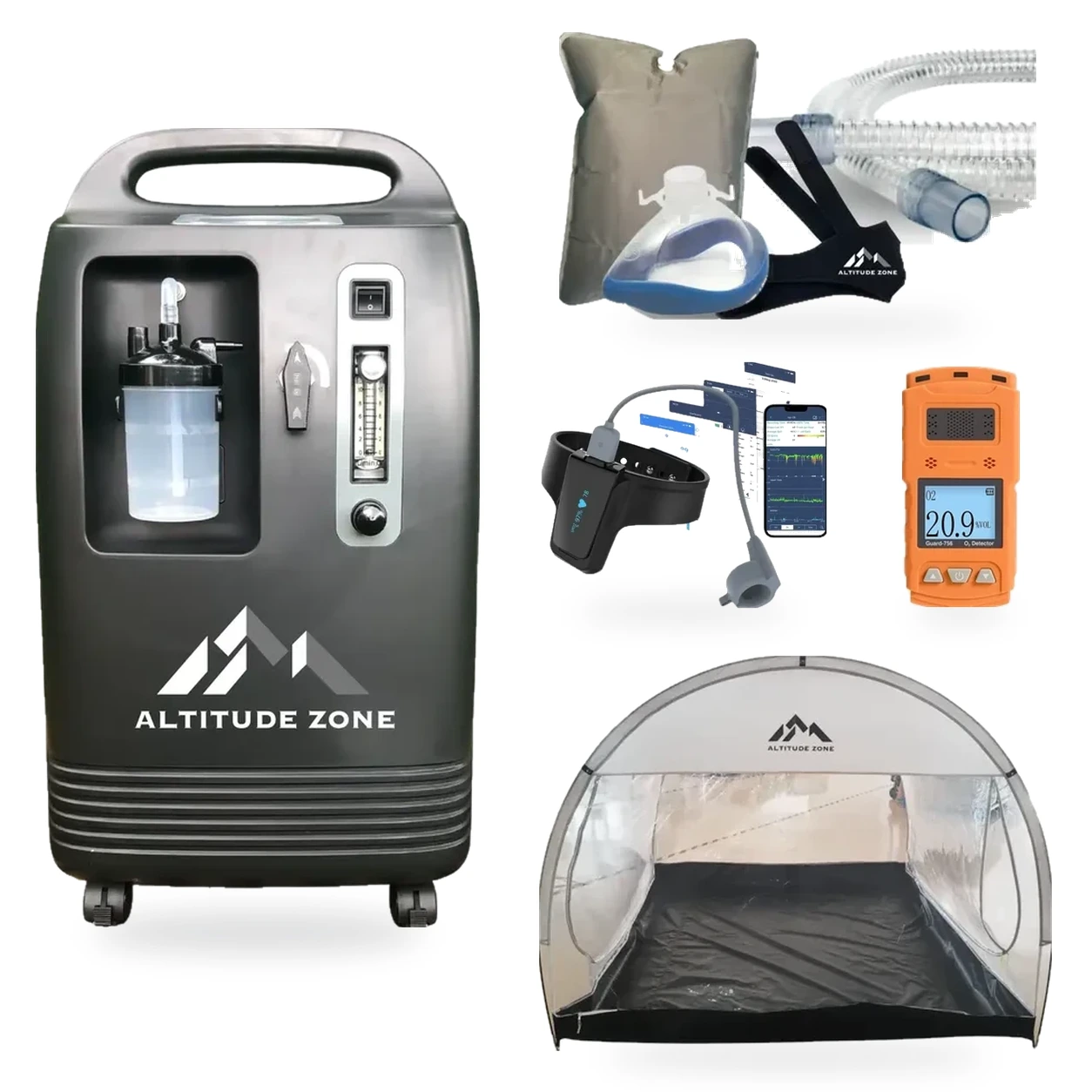
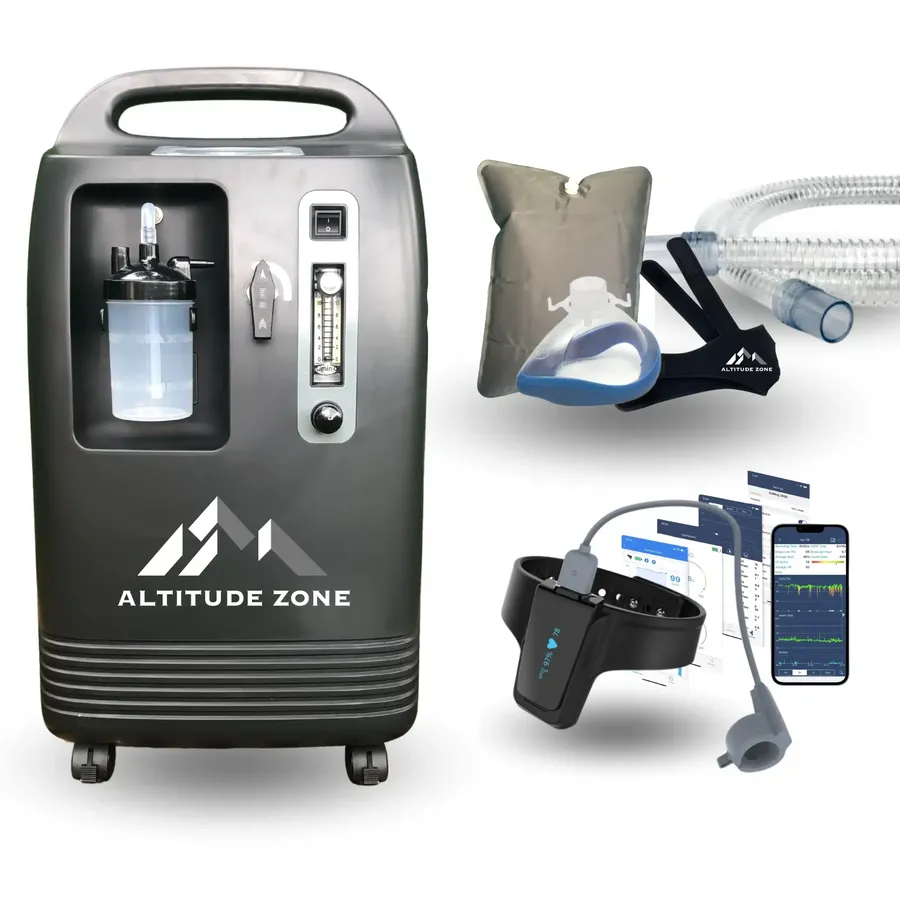
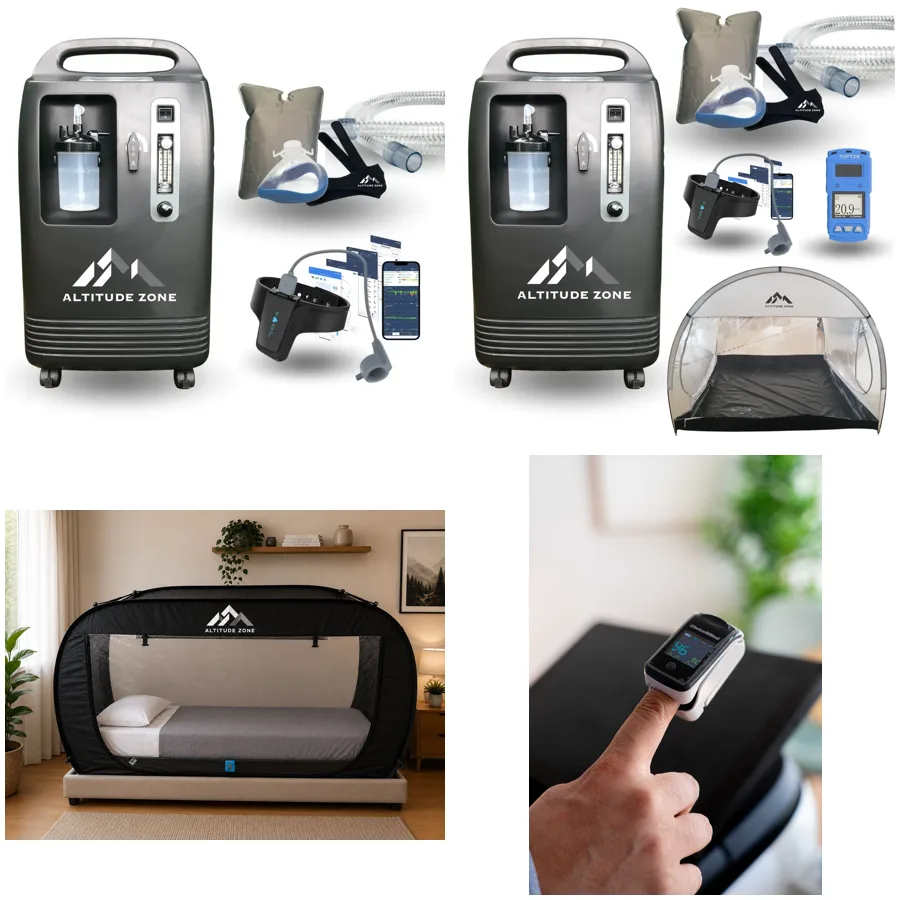
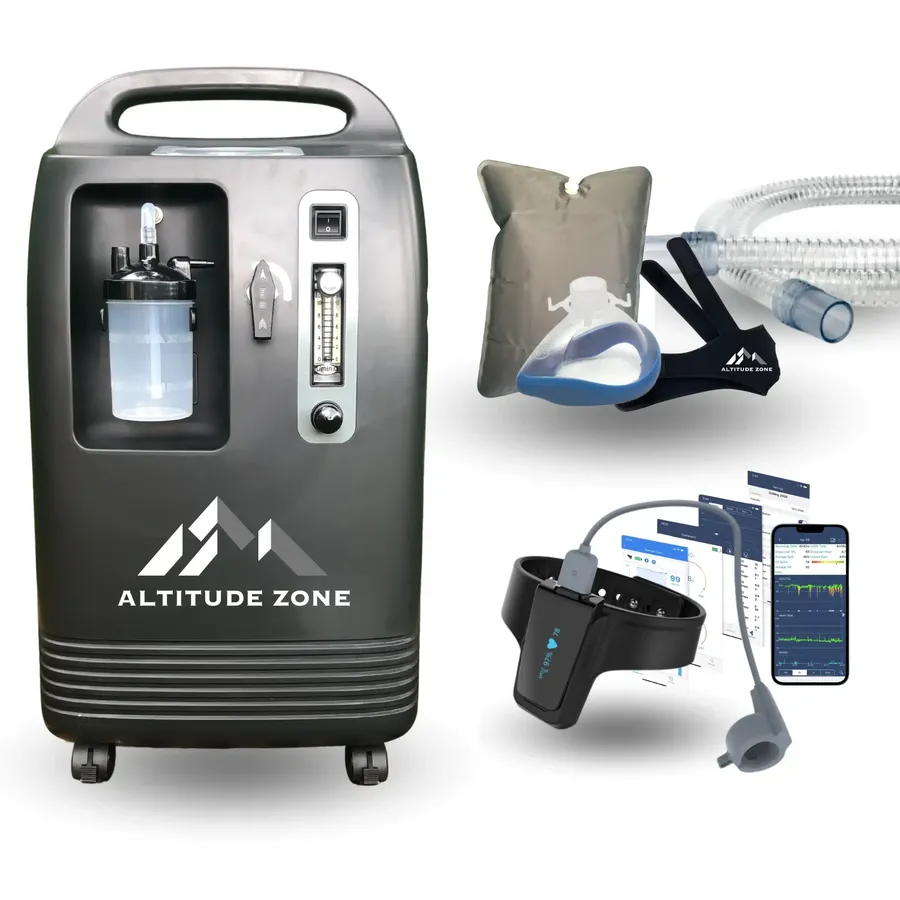
AZN VO₂max IHHT Pack
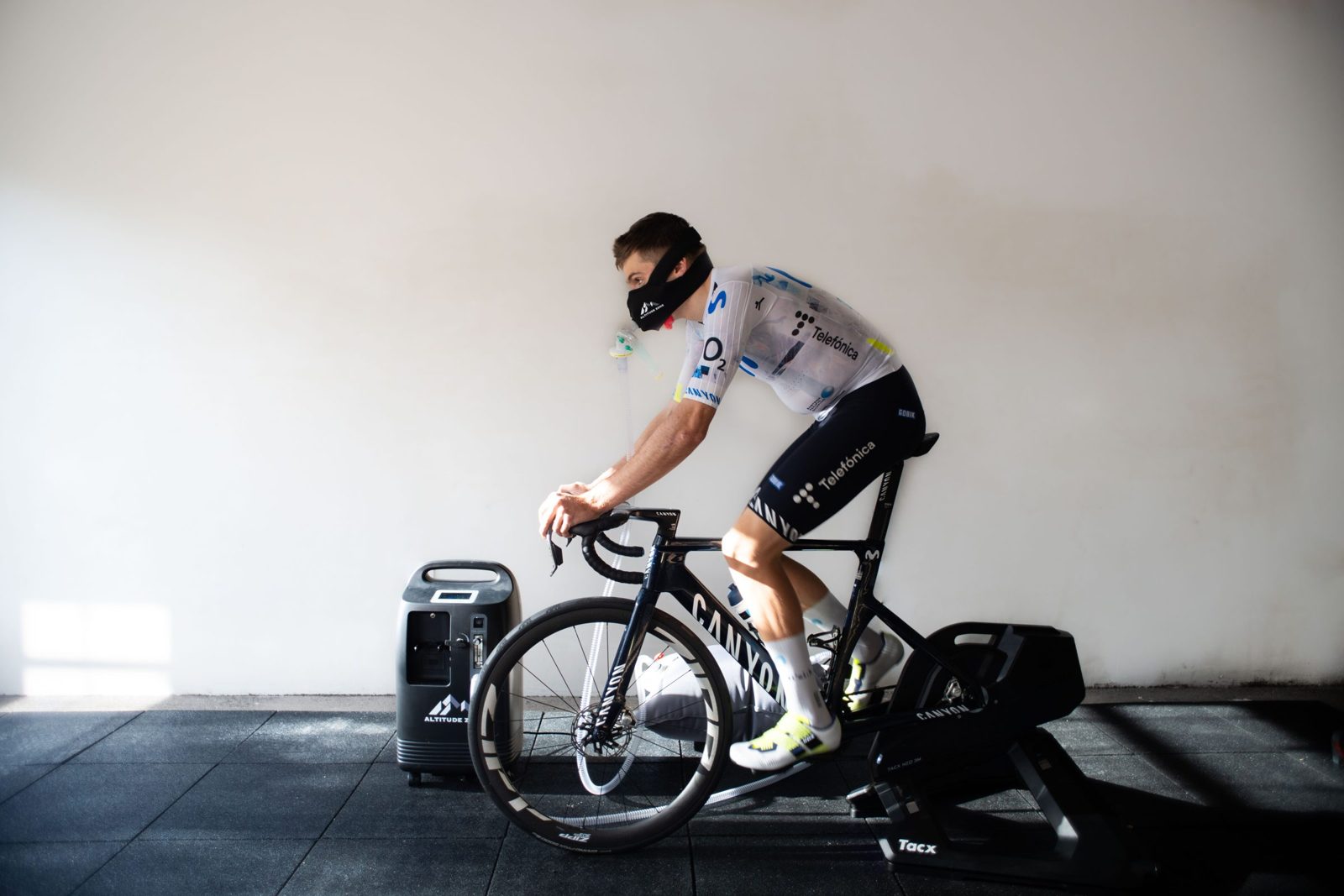
Intermittent hypoxia: your mask sessions, at rest or while training.
€2,850BuyView details
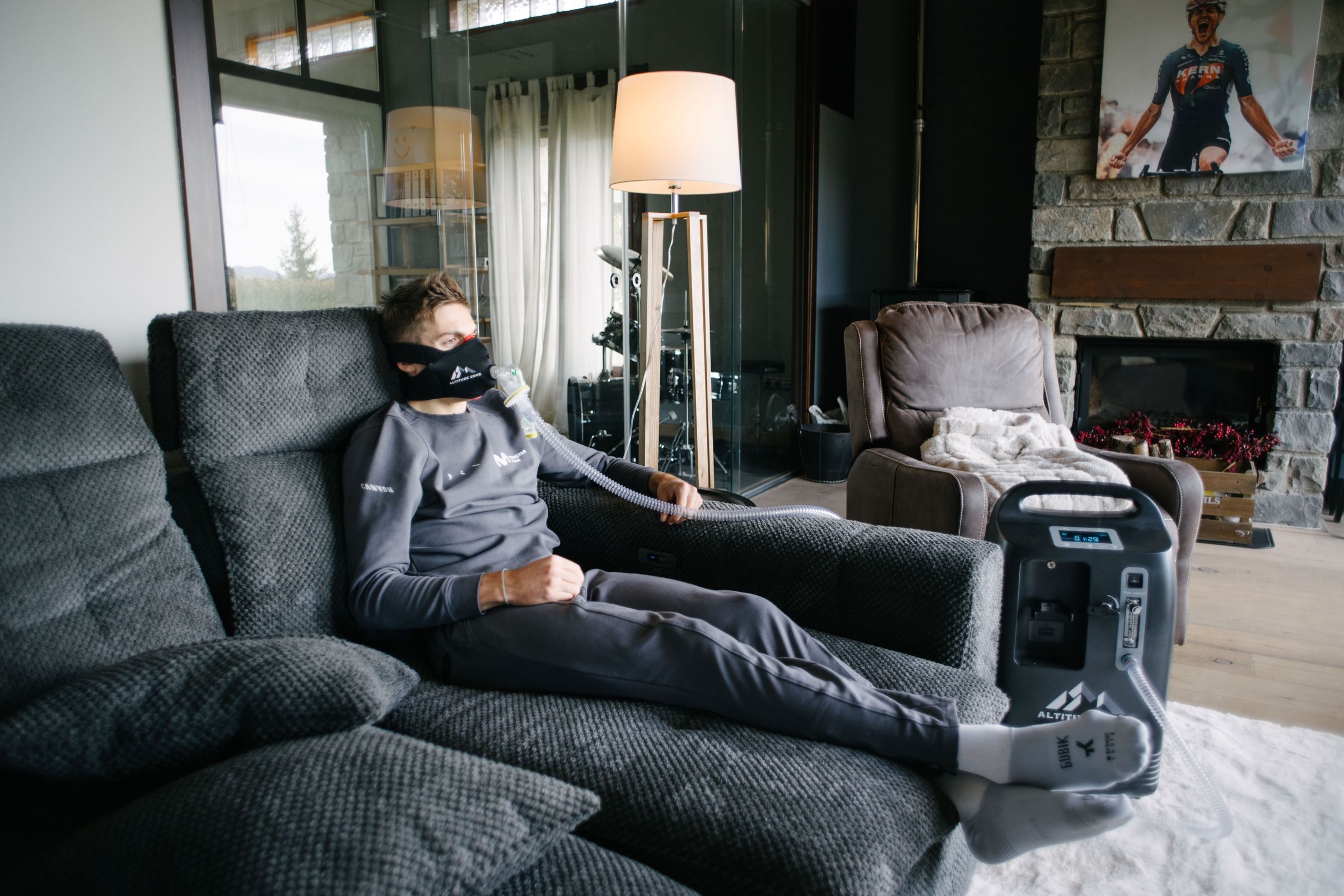 Pablo Castrillo · Movistar Team
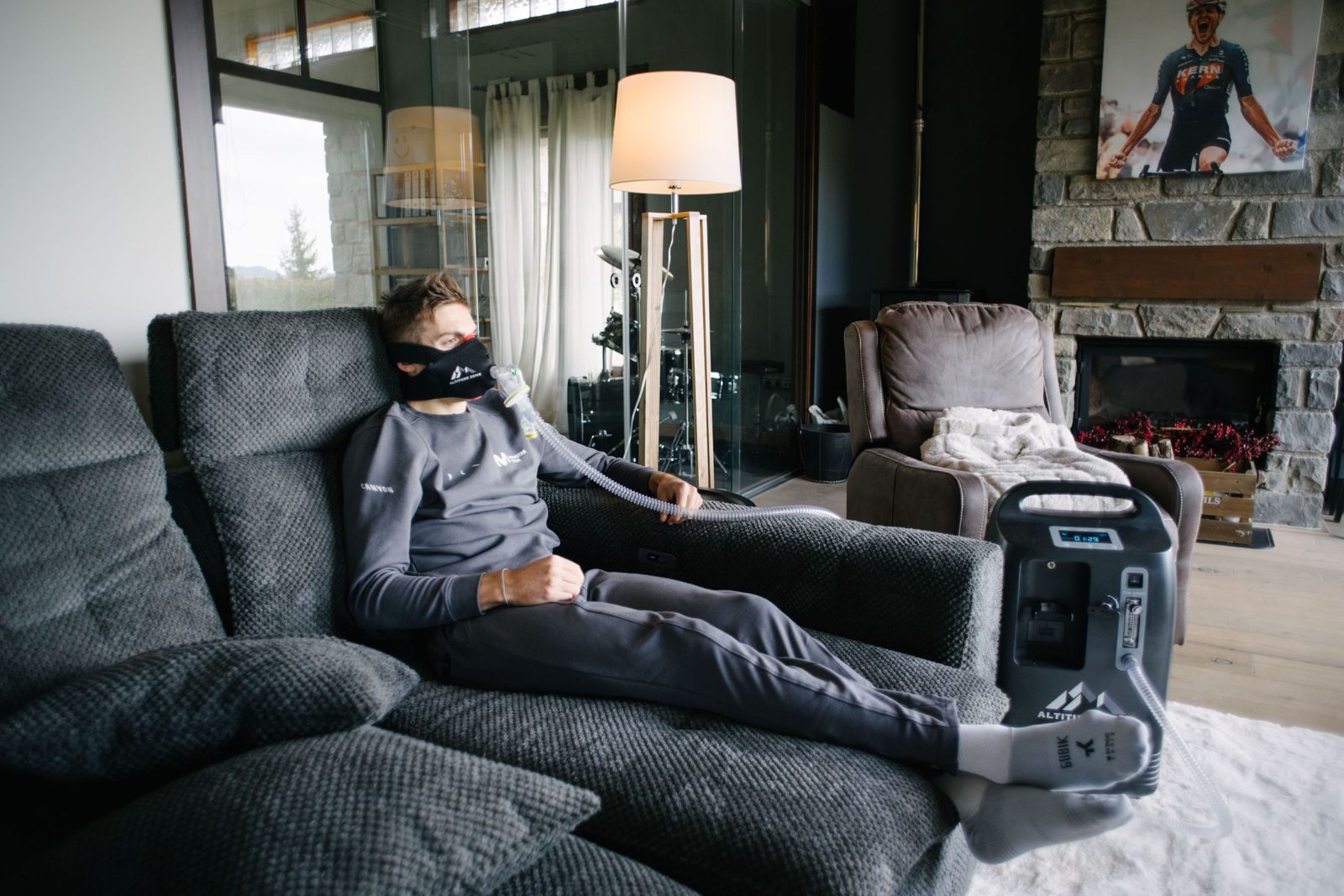
Intermittent hypoxia at rest · IHHTHypoxia at rest · IHHT
Sitting on the sofa, about 45 minutes. You recover faster and improve your aerobic capacity and your recovery.Sitting on the sofa, about 45 minutes.
Products
Intermittent hypoxiaIntermittent hypoxia: your mask sessions, at rest or while training.
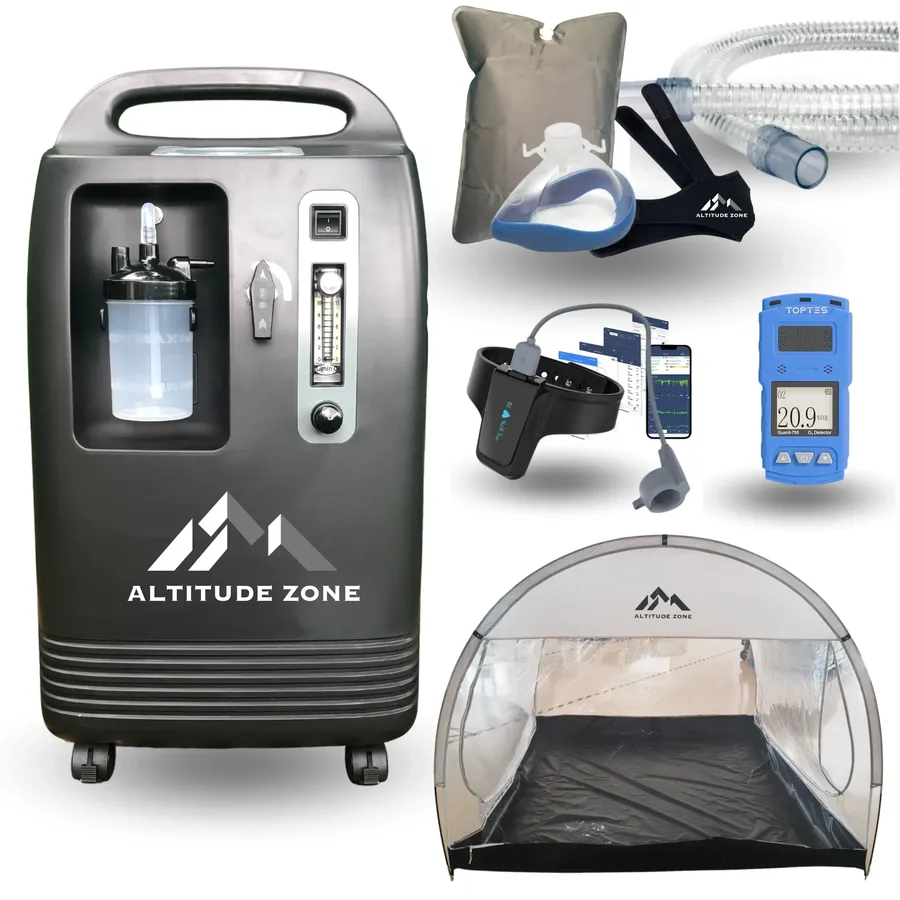 Intermittent hypoxia+
 Shop
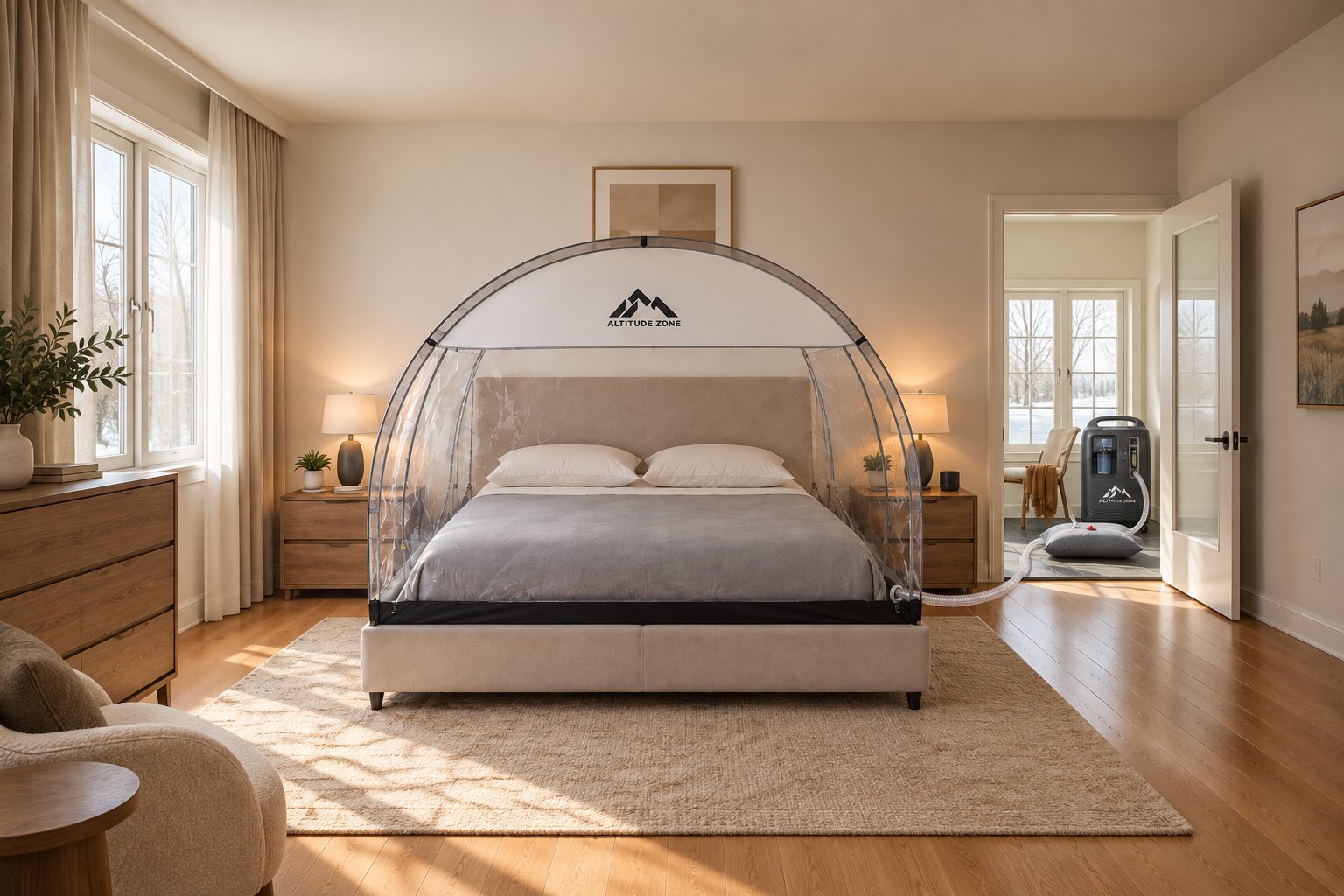
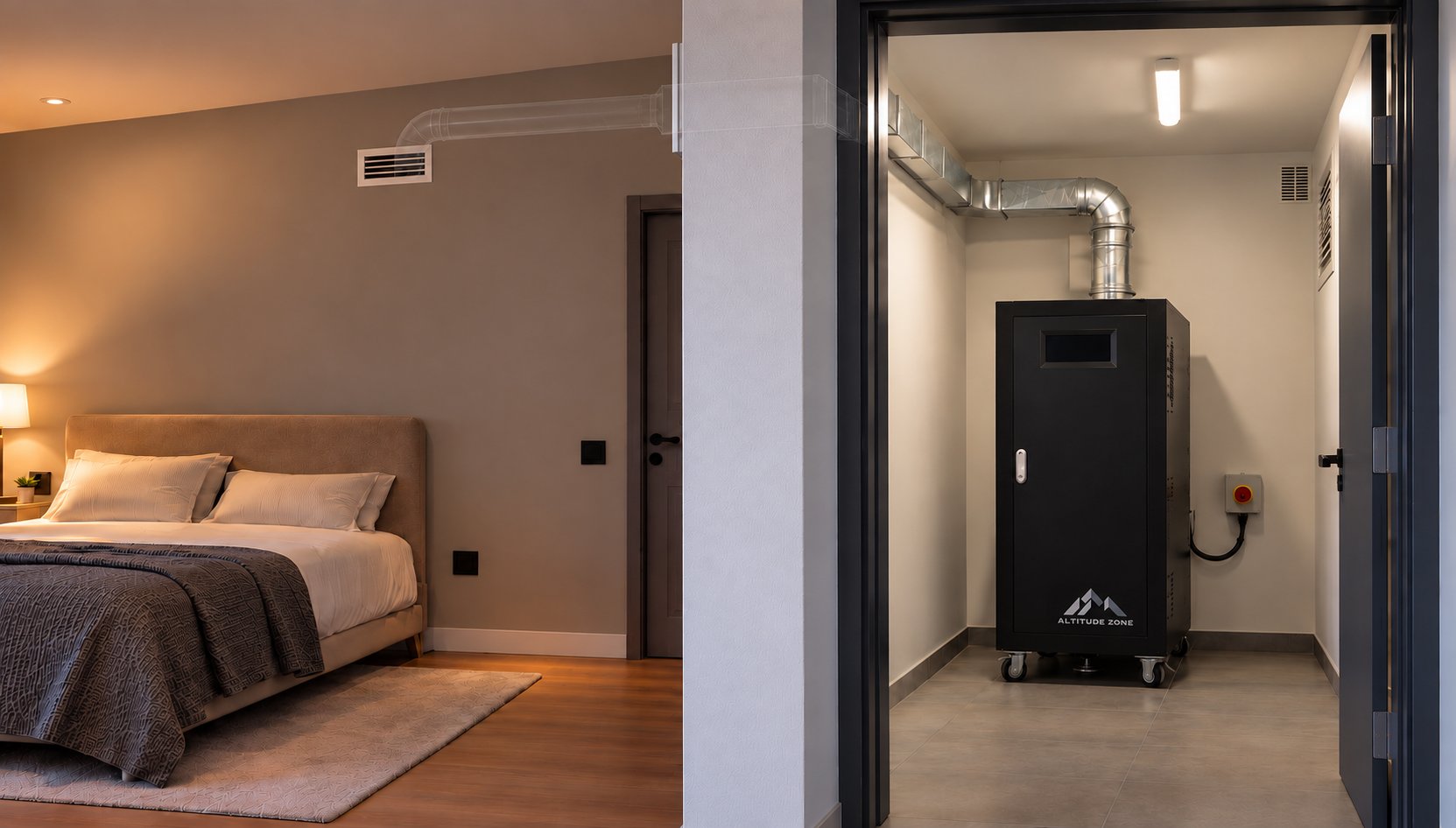
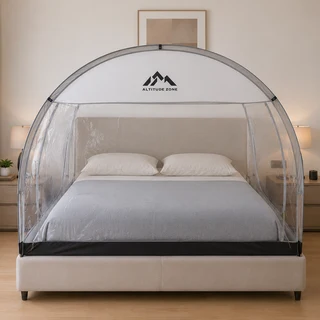
Intermittent hypoxia with a mask, plus the tent for sleeping at altitude.
Step by step
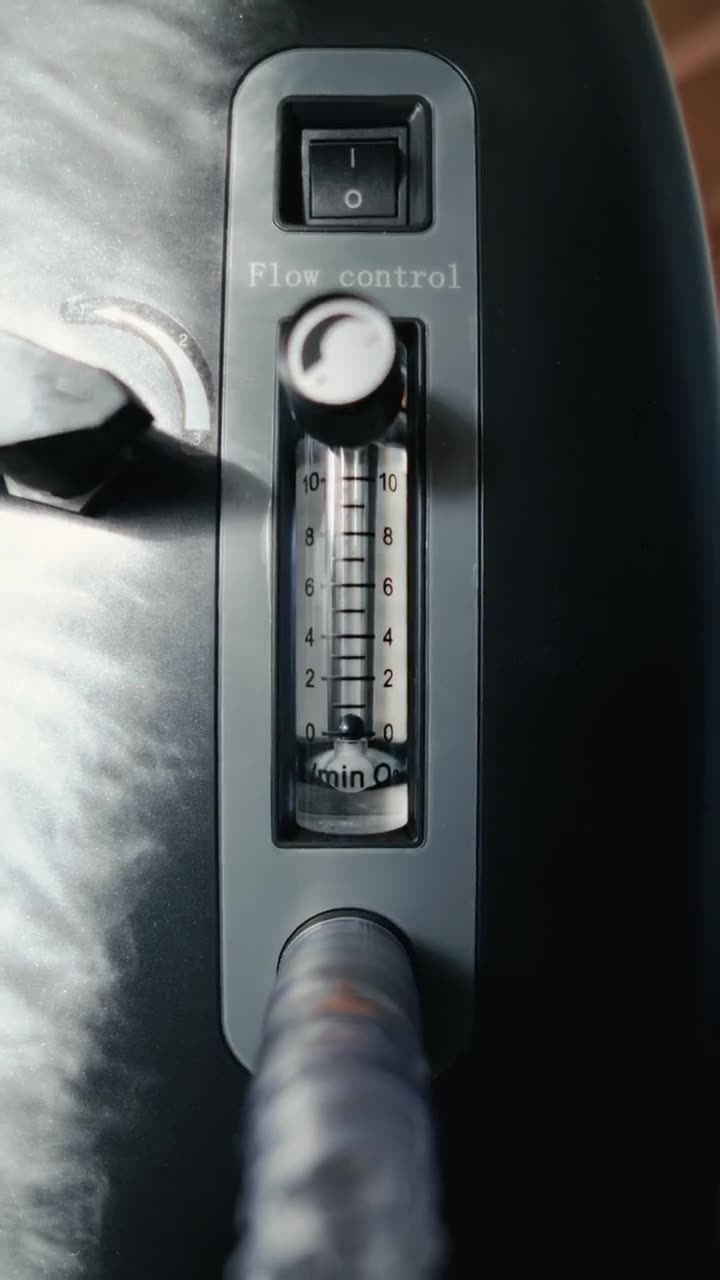
Set the altitude you want to simulate and watch how the lever (1, 2 or 3) and the power ball move into place.
Equivalent to: Sierra Nevada (CAR) · 2,320 m
Approximate values (tolerance ±2 %). The simulated altitude adds to the real altitude where you are: 2,500 m simulated in a town at 500 m is about 3,000 m for your body.
What a session looks like
See how your oxygen saturation drops and rises during a real session. Each minute passes in one second.
Approximate simulation. In the first two cycles saturation tends to stay a little higher; everyone responds differently, which is why we calibrate the altitude with you in the first session.

What you get
In 2019 the Nobel Prize in Physiology recognised Kaelin, Ratcliffe and Semenza for discovering how our cells sense oxygen and adapt when it's scarce, through the HIF factor. It's the mechanism that every intermittent hypoxia session switches on.
Source: NobelPrize.org ↗Improvement profile
The three forms of hypoxia work on the same body, but each one puts the focus somewhere different. We only show the improvements backed by science for each type. Choose the type of hypoxia and tap each improvement to see the study and the body system involved.
Sleeping at altitude is a very powerful stimulus: we adjust the protocol and your training loads so you don't build up fatigue in the central nervous system.
Approximate scale based on studies with athletes and on our experience; the figures for each improvement come from the cited study. Response varies from person to person. Anatomical systems: Z-Anatomy and BodyParts3D (CC BY-SA 4.0).
Who it's for
How we get started
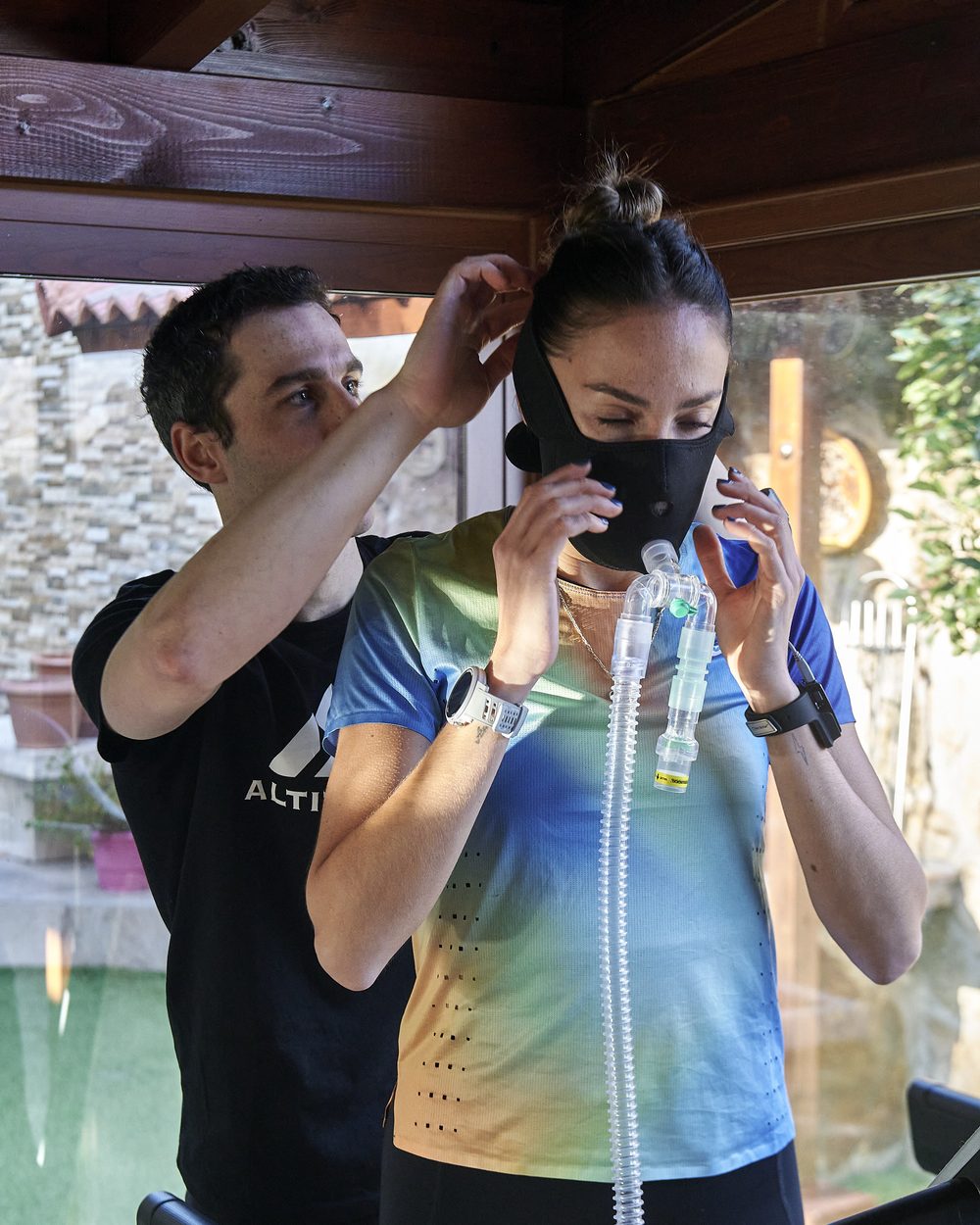
Behind every session there's a person from our team looking out for you. We set up the equipment with you, design your plan and review your sessions so that every day you breathe the right altitude for you.
A person from our team talks to you face to face: you set up the equipment together, we configure everything and we find, live, the altitude you respond well to.
We set your goals, design your calendar and periodisation, and share the hypoxia protocols that work best for what you're after.
We review the report from each session in the pulse oximeter app and message you on WhatsApp to adjust the altitude. The first month is free, and even daily if you need it.
Safety
Our equipment is for sports and wellness use. If you're unsure whether hypoxia training is right for you, talk to your coach or an altitude training professional.
FAQ
About 45 minutes: 6 cycles of 5 minutes with the mask and 2 minutes of rest, plus a couple of minutes to switch on the generator before you start.
Between 3 and 4. Three is usually ideal. If you train, we put them on your lighter days.
No. It's hypoxia at rest: you're sitting down, reading or watching a series. That's why it's also used for wellness and when returning to training after an injury.
No. The session is done awake. If you want to sleep at altitude, that's done with the tent and a different target saturation.
The pulse oximeter has its alarm set to 80 % and alerts you. Just take off the mask and breathe normal air; within seconds you're back to normal values.
We recommend staying at each level for at least two weeks. During the first month, we'll tell you when based on your sessions.
Informational content about simulated altitude training for sport and wellness. Altitude Zone equipment is not a medical device and is not intended for any medical use. Always train with your saturation monitored by the pulse oximeter.
Tell us about your situation and we'll recommend the equipment and protocol that suit you, with no obligation. Reply in under 24 h, with real expert advice.