
 Intermittent hypoxia
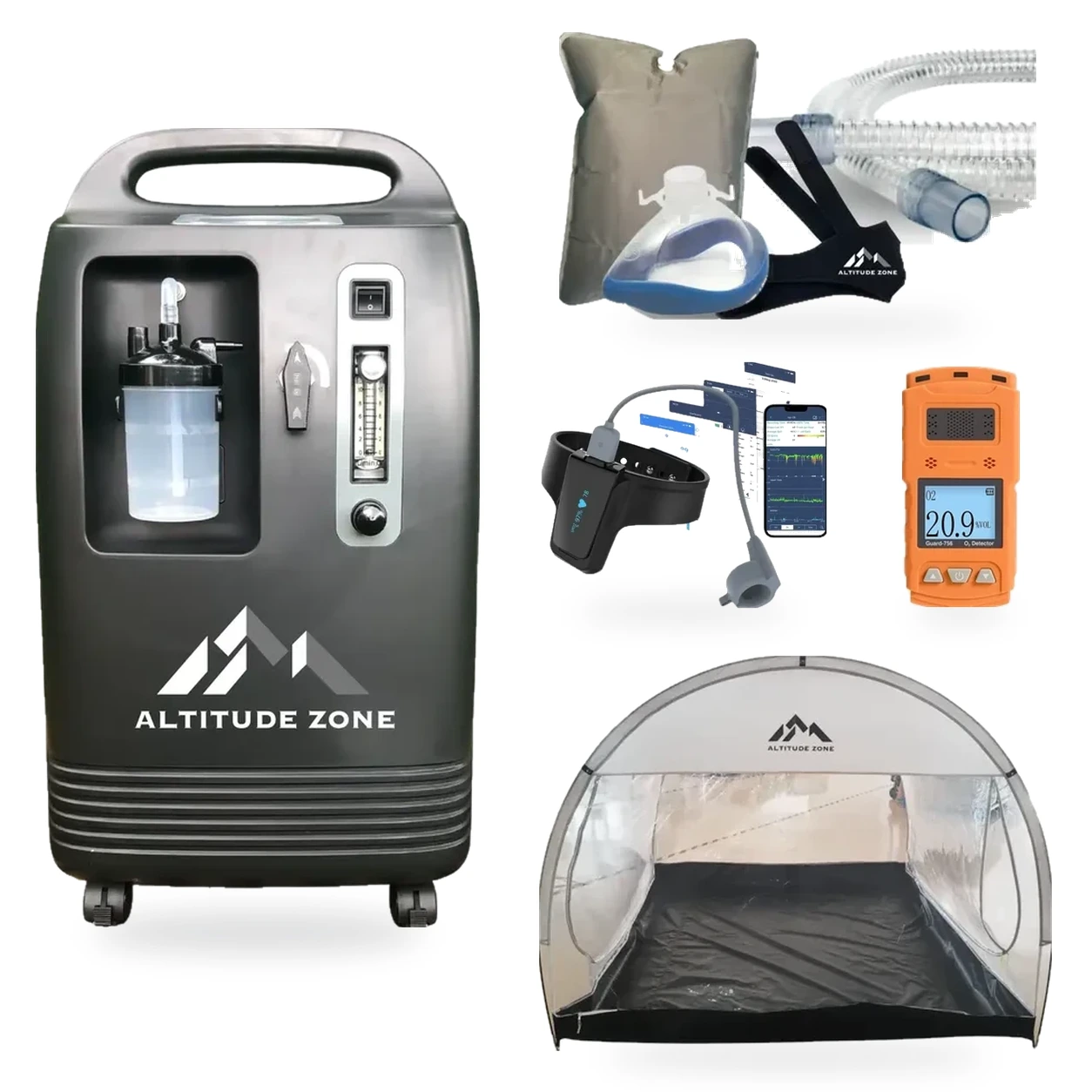
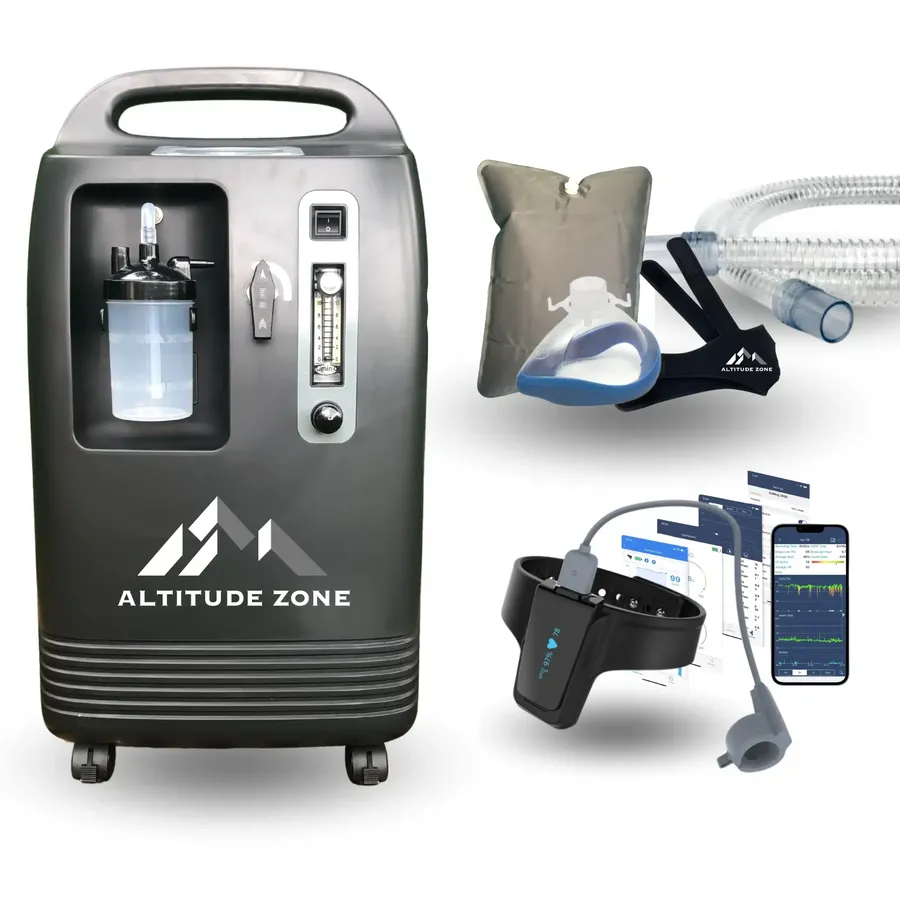
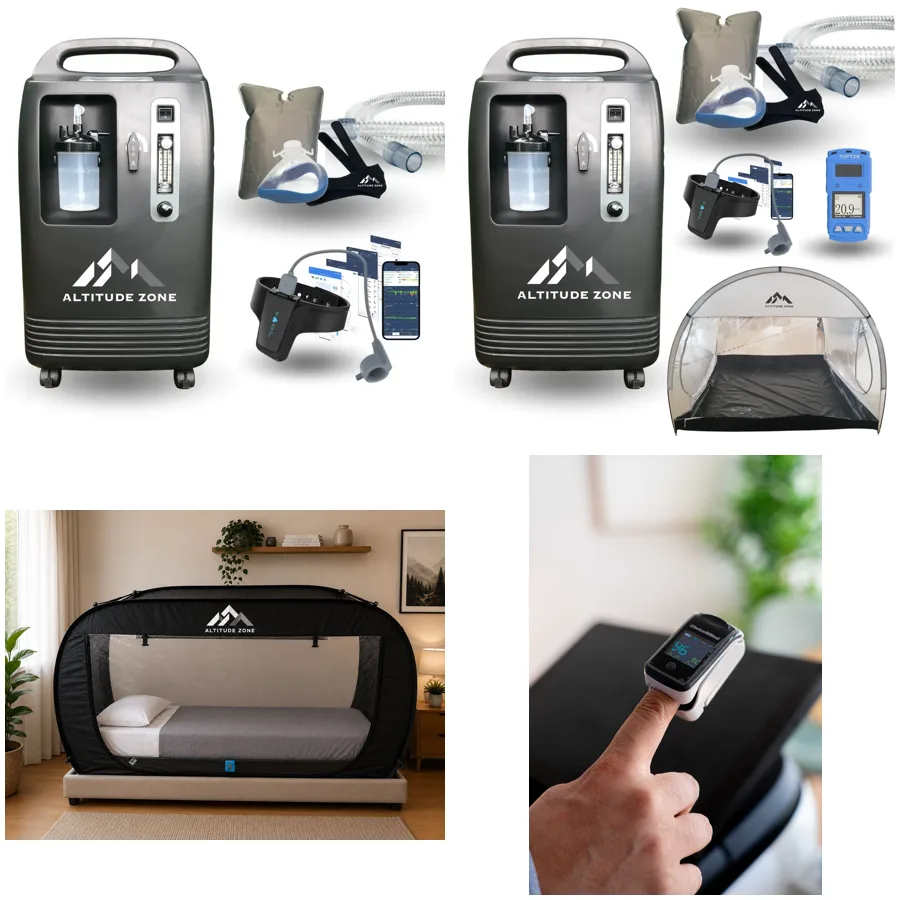
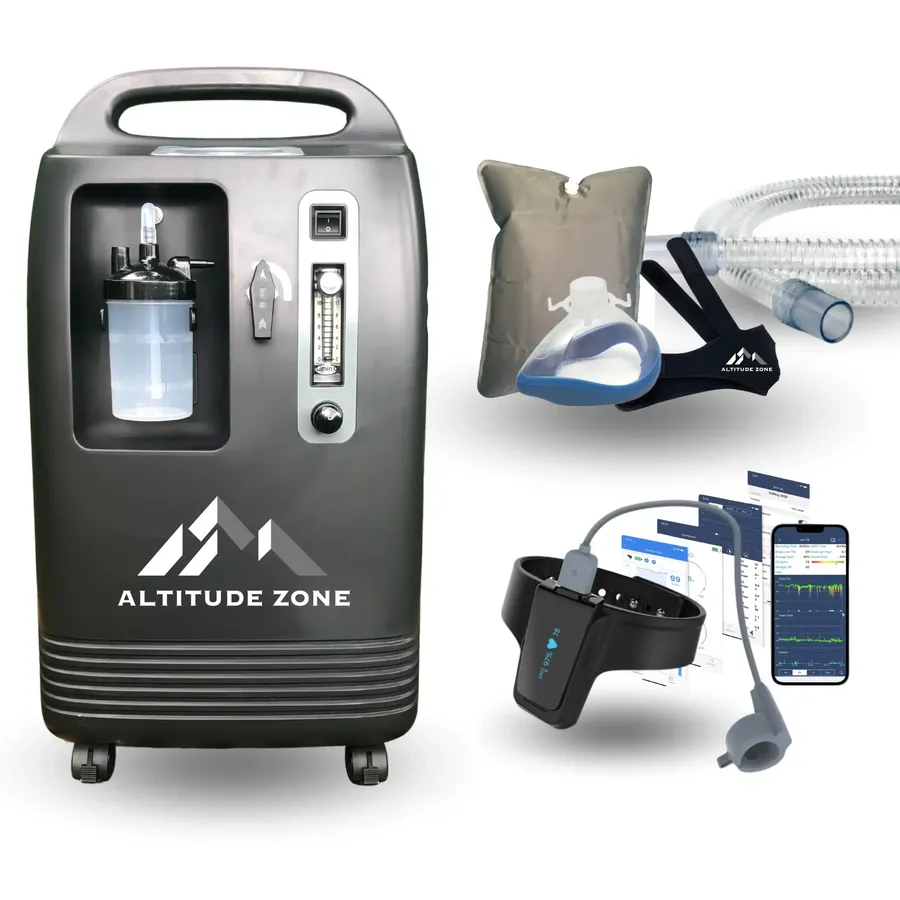
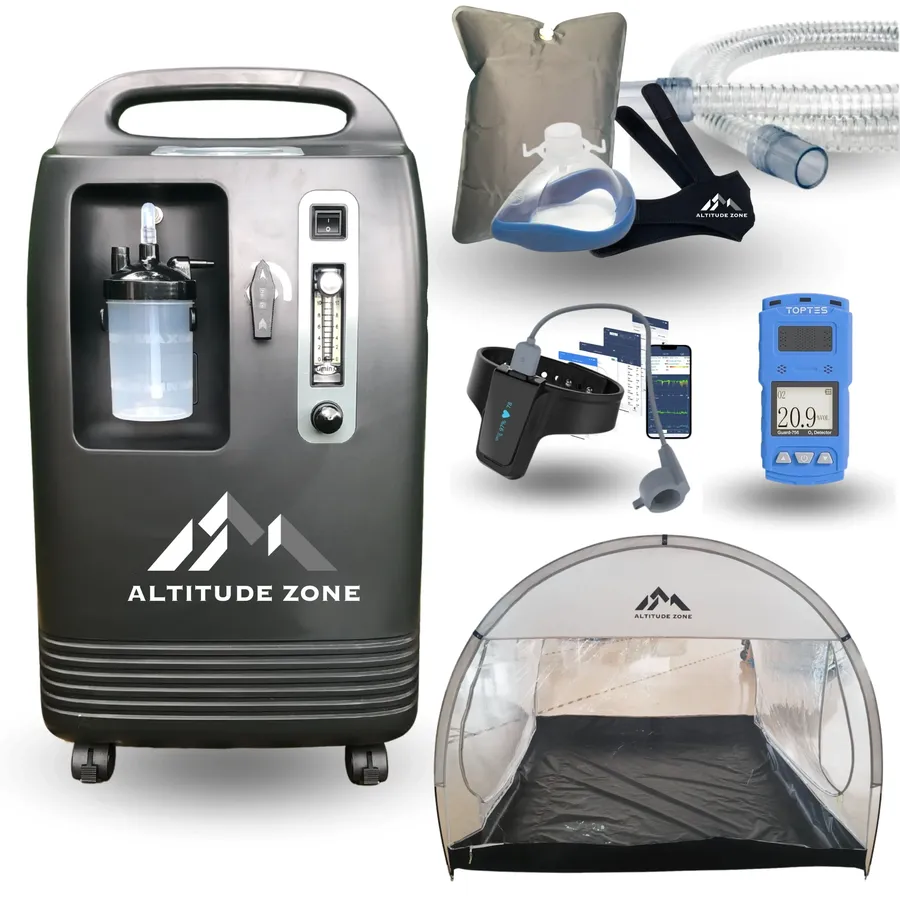
AZN VO₂max IHHT Pack
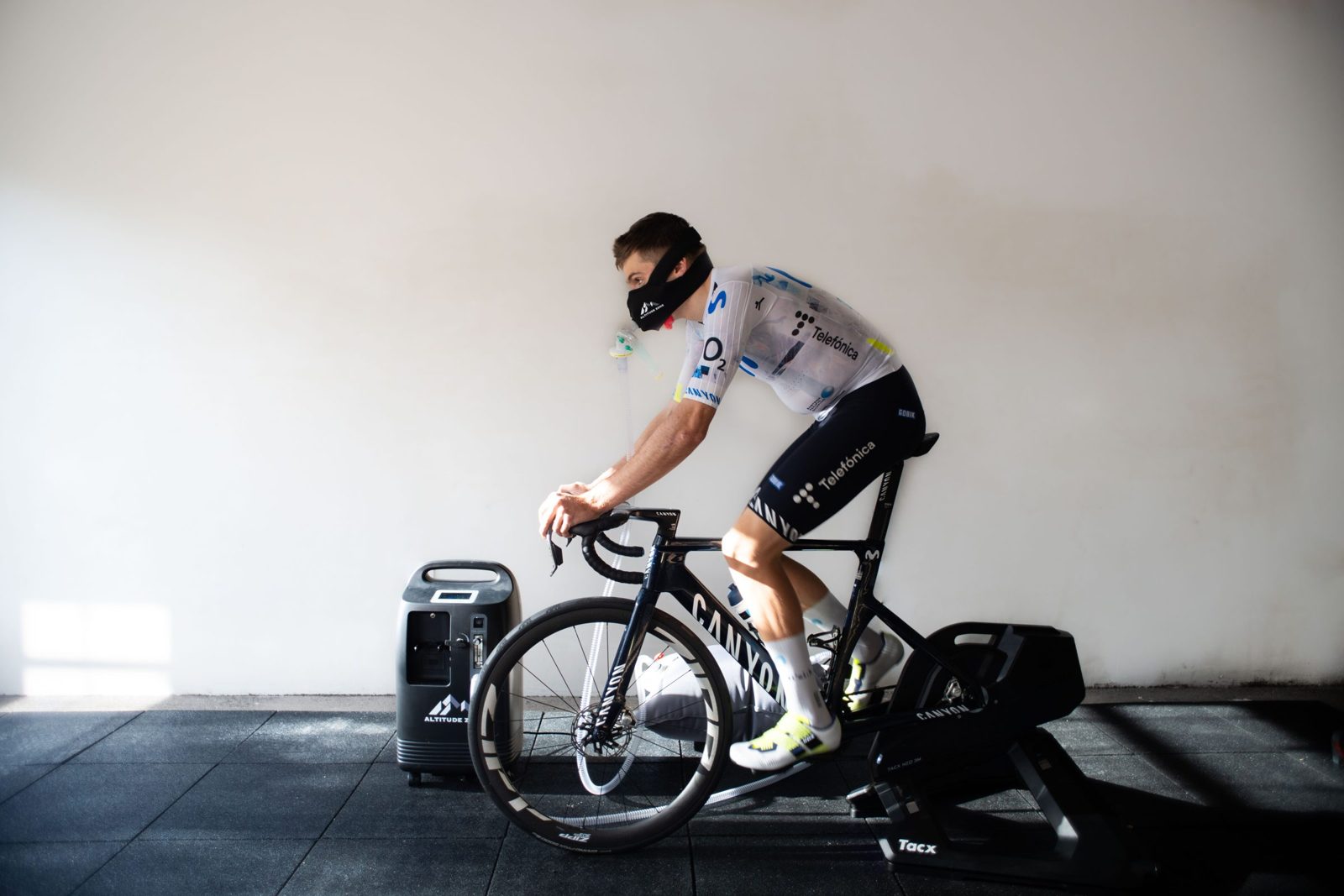
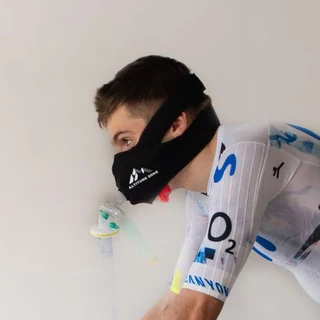
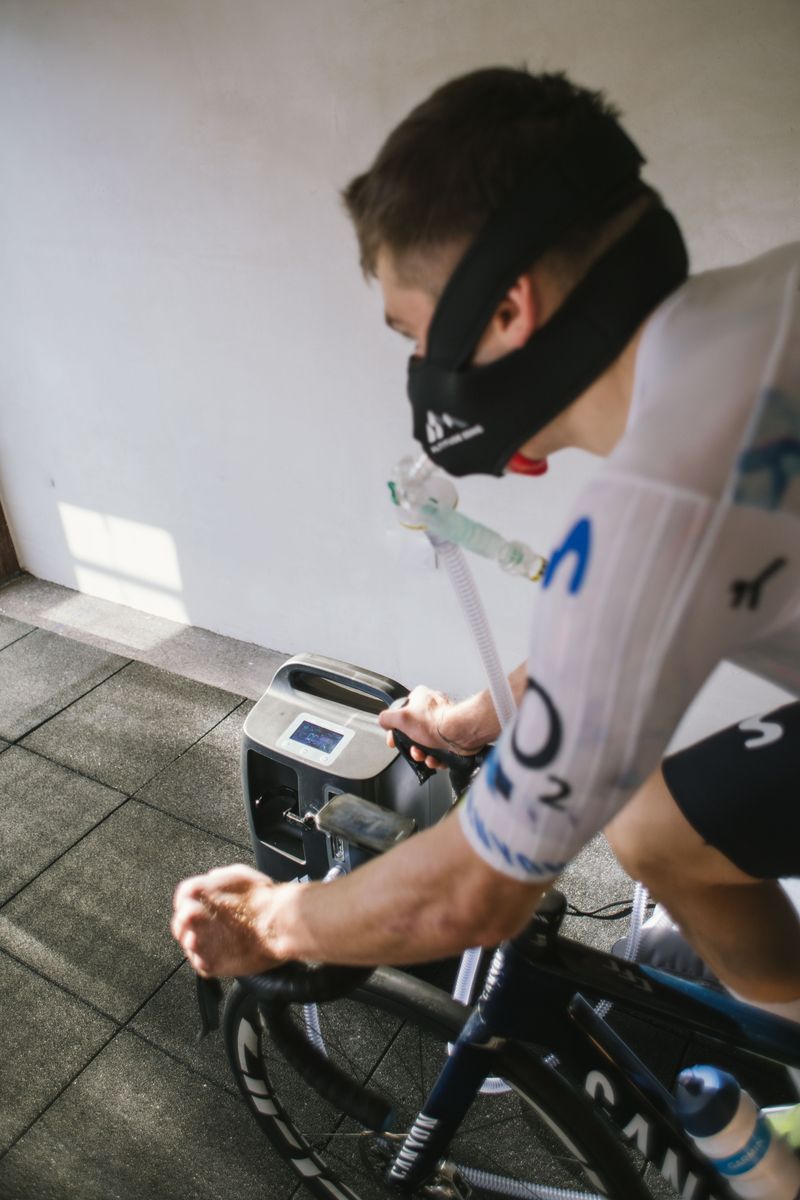
Intermittent hypoxia: train with the mask on your turbo trainer, treadmill or rower, and at rest too.
€2,850BuyView details
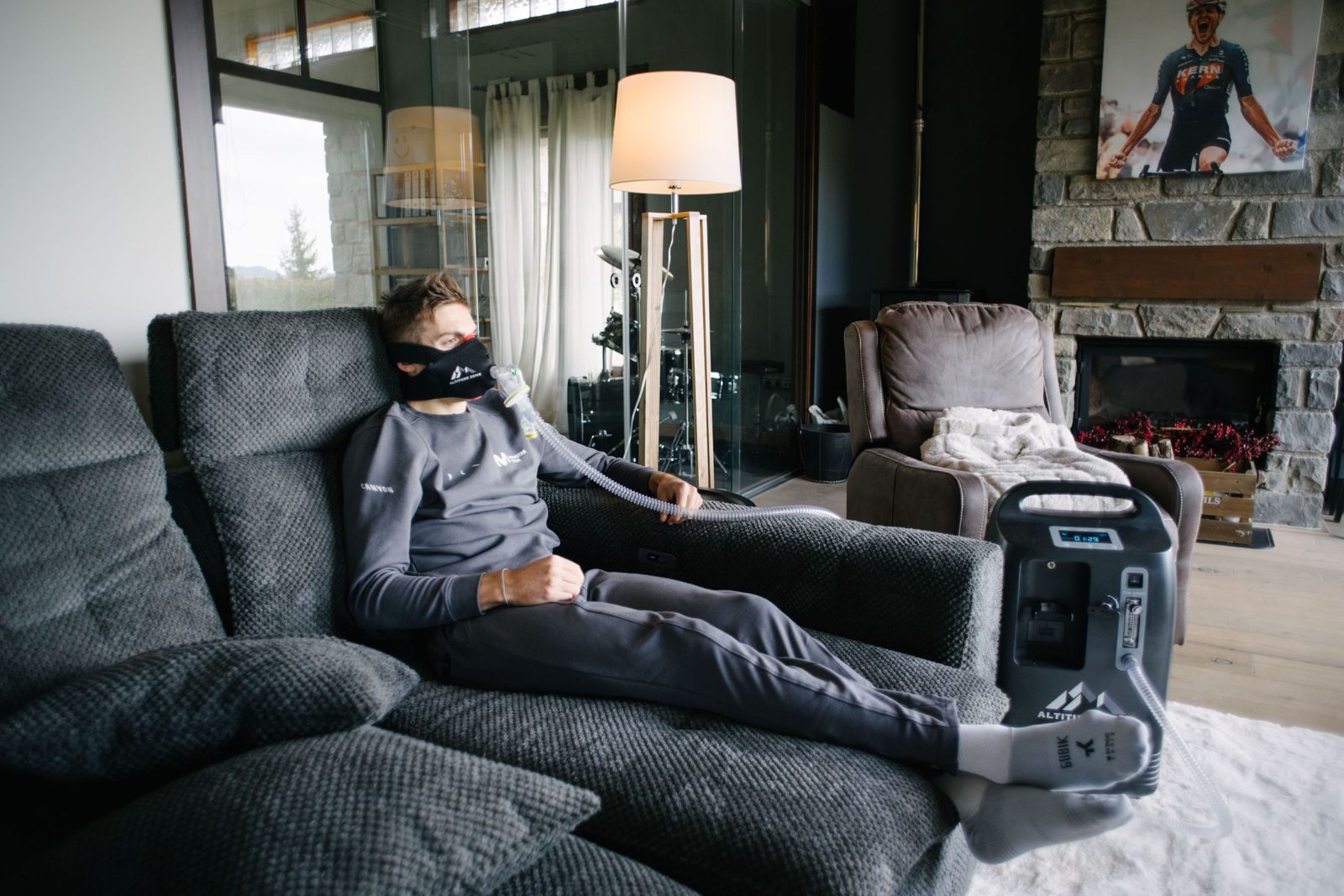
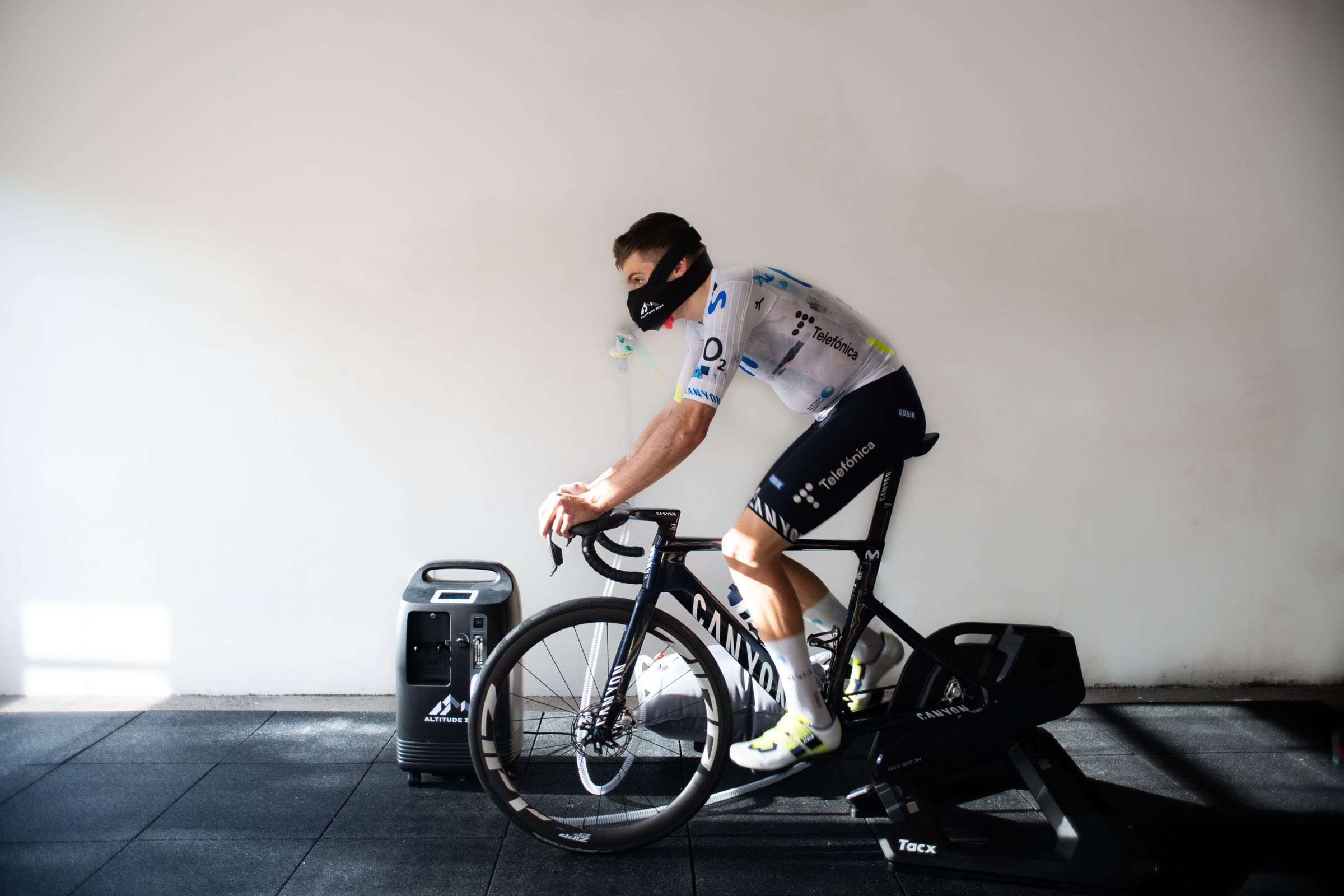 Pablo Castrillo · Movistar Team
Intermittent hypoxic training · IHTHypoxia during exercise · IHT
Train on your turbo trainer, treadmill or rower with the mask. More VO₂max, more efficient muscles, and you arrive adapted to compete at altitude.Train on your turbo trainer, treadmill or rower with a mask.
Products
Intermittent hypoxiaIntermittent hypoxia: train with the mask on your turbo trainer, treadmill or rower, and at rest too.
 Intermittent hypoxia+
 Shop
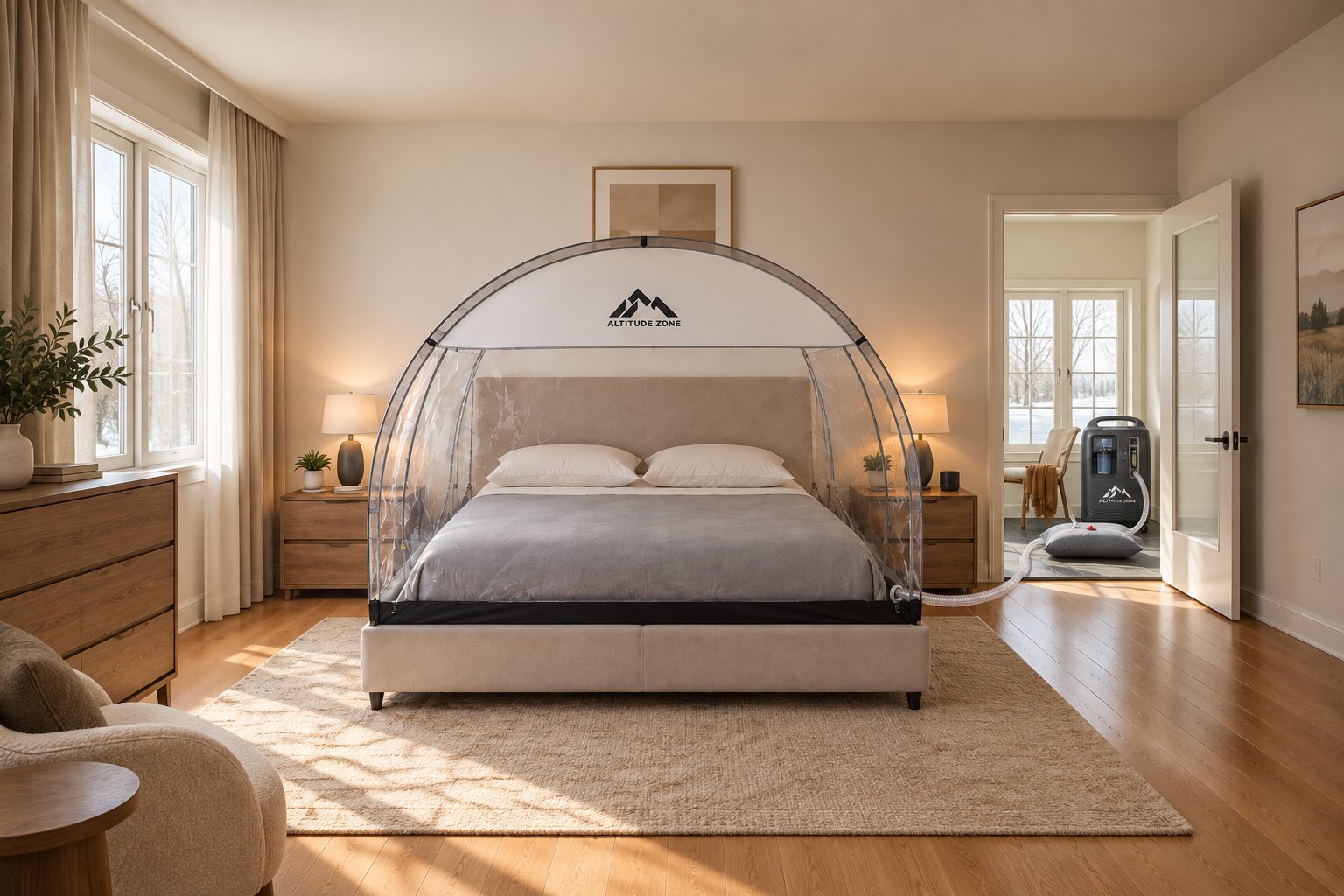
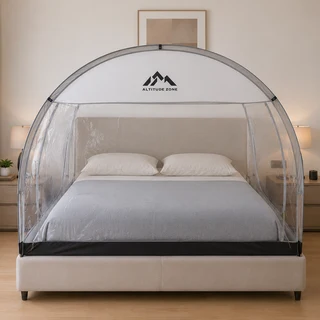
Intermittent hypoxia with a mask, plus the tent for sleeping at altitude.
Step by step
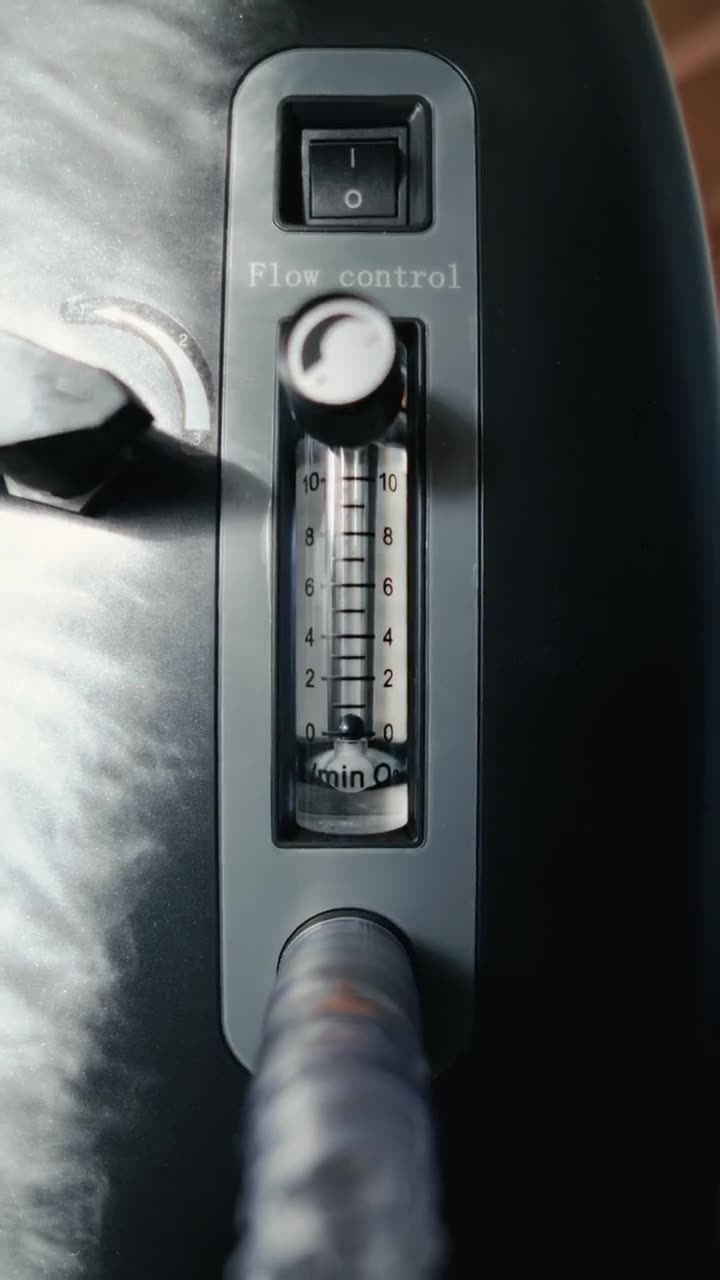
Set the altitude you want to simulate and watch how the lever (1, 2 or 3) and the power ball move into place.
Equivalent to: Sierra Nevada (CAR) · 2,320 m
Approximate values (tolerance ±2 %). The simulated altitude adds to the real altitude where you are: 2,500 m simulated in a town at 500 m is about 3,000 m for your body.
What a session looks like
See how your saturation and heart rate change during an interval workout in hypoxia. Each minute passes in one second.
Approximate simulation. Everyone responds differently: we adjust the altitude with you so that during sets you're between 80 and 85 %, and above 90 % when recovering.

What you get
In 2019 the Nobel Prize in Physiology recognised Kaelin, Ratcliffe and Semenza for discovering how our cells sense oxygen and adapt when it's scarce, through the HIF factor. It's the same mechanism that kicks in when you train with the mask.
Source: NobelPrize.org ↗Improvement profile
The three forms of hypoxia work on the same body, but each one puts the focus somewhere different. We only show the improvements backed by science for each type. Choose the type of hypoxia and tap each improvement to see the study and the body system involved.
Sleeping at altitude is a very powerful stimulus: we adjust the protocol and your training loads so you don't build up fatigue in the central nervous system.
Approximate scale based on studies with athletes and on our experience; the figures for each improvement come from the cited study. Response varies from person to person. Anatomical systems: Z-Anatomy and BodyParts3D (CC BY-SA 4.0).
Who it's for

How we get started
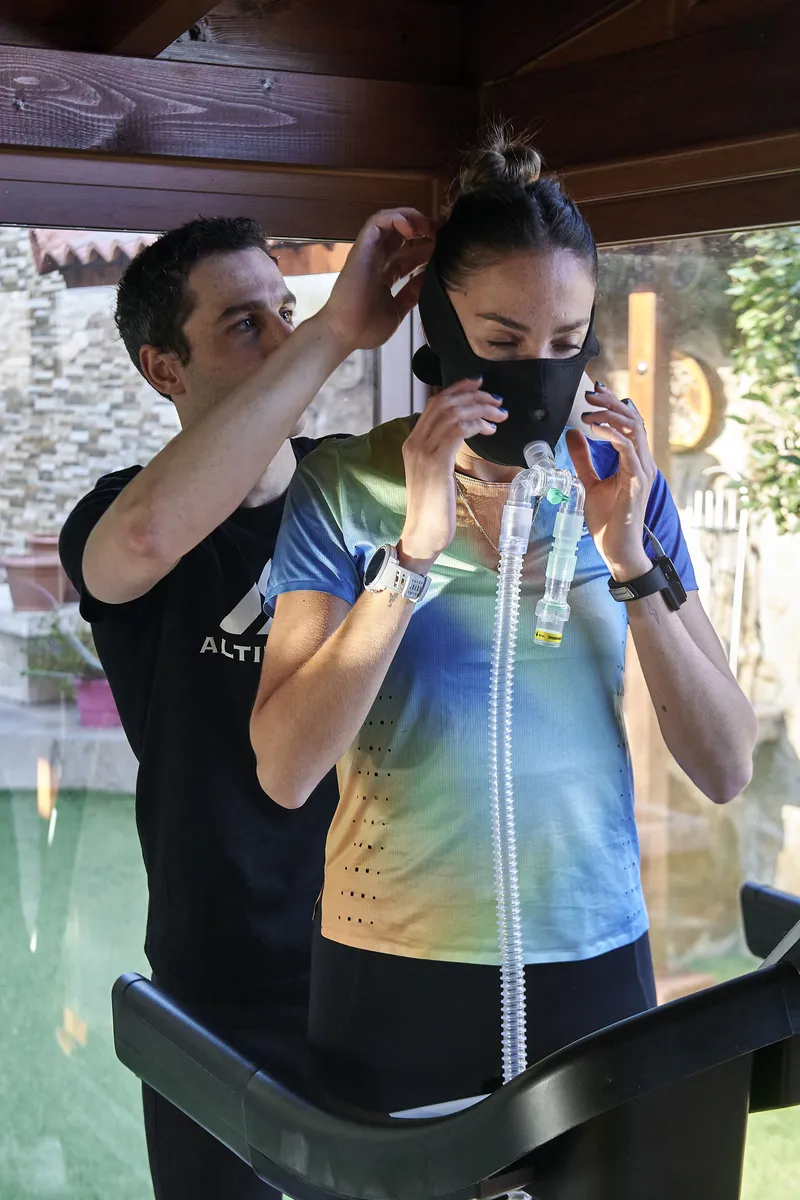
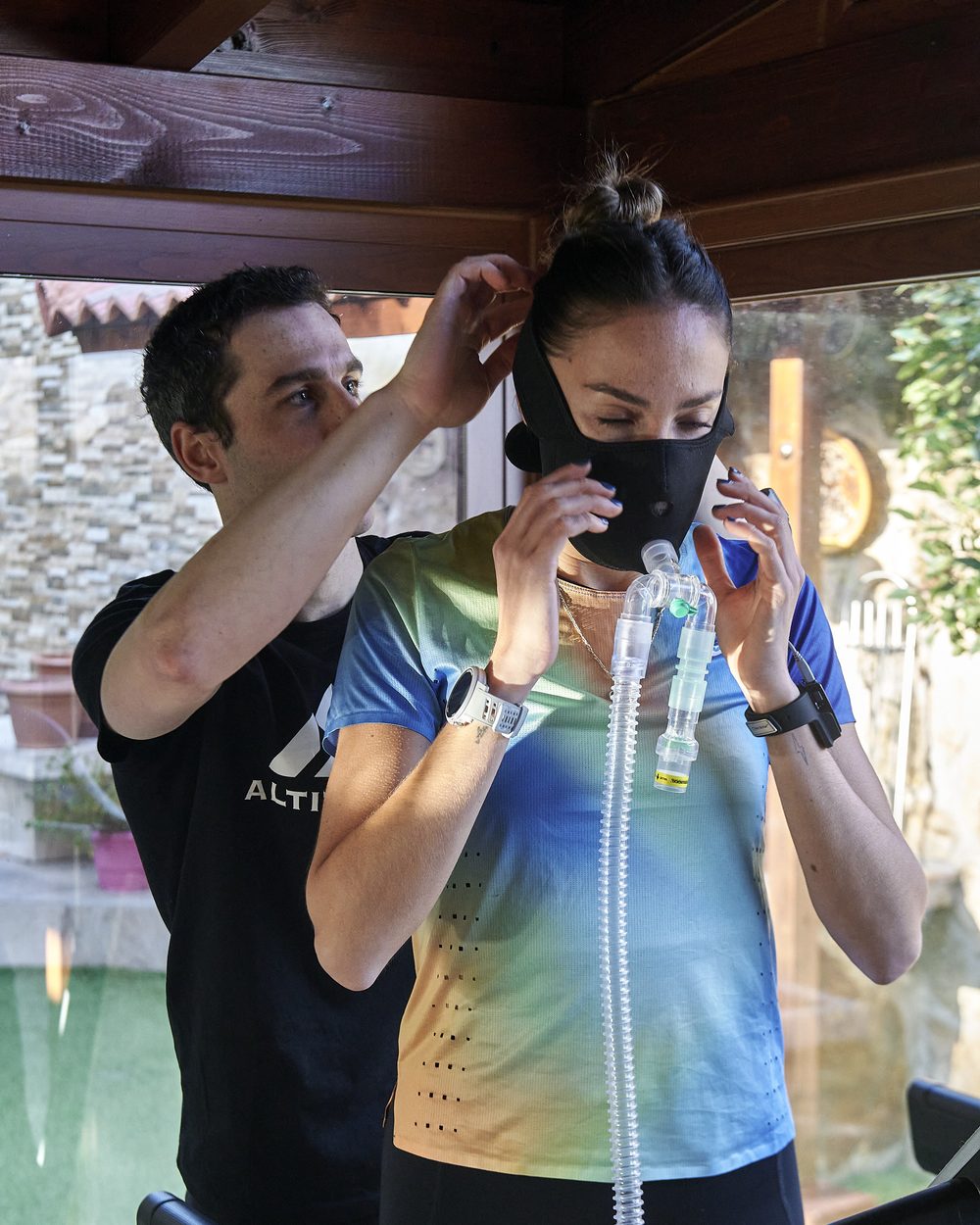
Behind every session there's a person from our team looking out for you. We set up the equipment with you, design your plan and review your sessions so that every day you breathe the right altitude for you.
A person from our team talks to you face to face: you set up the equipment together, we configure everything and we find, live, the altitude you respond well to.
We set your goals, design your calendar and periodisation, and share the hypoxia protocols that work best for what you're after.
We review the report from each session in the pulse oximeter app and message you on WhatsApp to adjust the altitude. The first month is free, and even daily if you need it.
Safety
Our equipment is for sports and wellness use. If you're unsure whether hypoxia training is right for you, talk to your coach or an altitude training professional.
FAQ
Between 50 and 70 minutes: about 15 minutes of warm-up, the main block of sets with the mask and a 10-minute cool-down.
Usually two days a week, whichever you choose (for example Tuesday and Friday). We fit them into your training calendar.
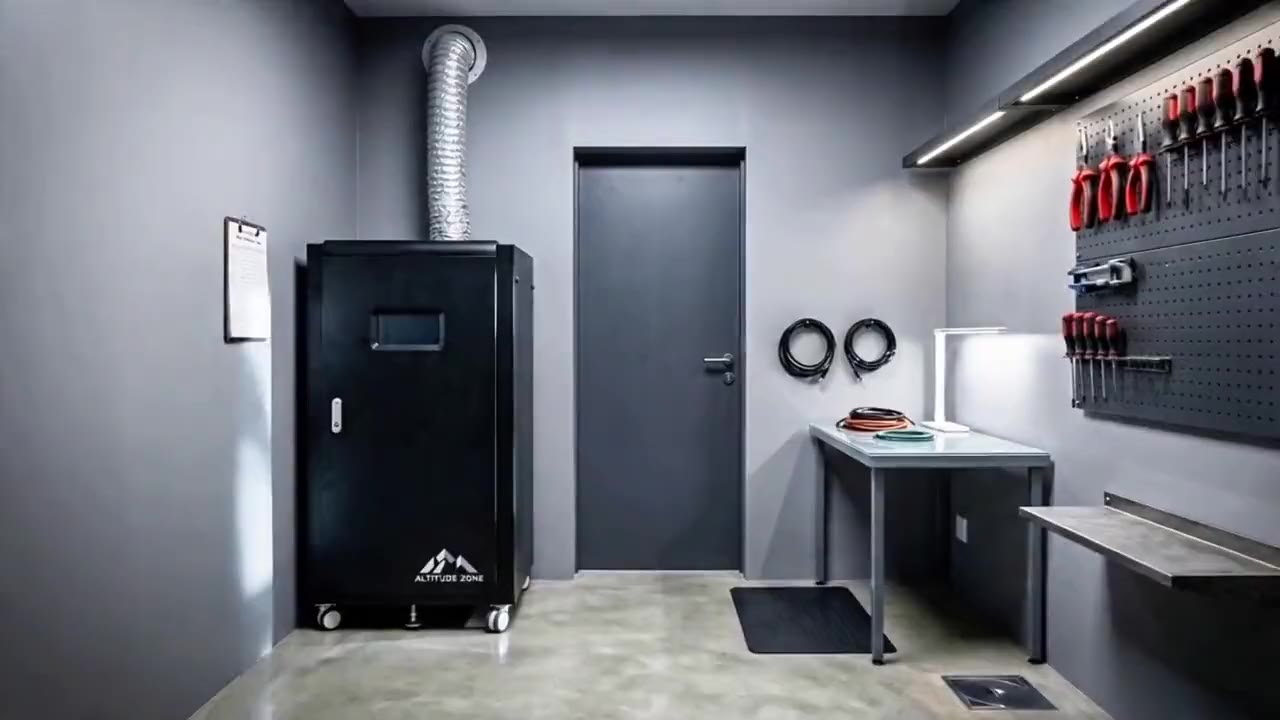
On any stationary machine: turbo trainer, spin bike, treadmill, elliptical or rower. The generator sits next to you and the tube reaches the mask.
For example, 4-minute sets at 85 % of your maximum heart rate, or blocks of short 10-second sprints. We give you the protocol that fits your sport.
The pulse oximeter alerts you with its alarm. If you drop below 75 %, stop the set or lower the altitude; within seconds you're back to normal values.
Yes. It's the same generator: you can do sessions at rest on rest days and during exercise on training days. See hypoxia at rest →
Informational content about simulated altitude training for sport and wellness. Altitude Zone equipment is not a medical device and is not intended for any medical use. Always train with your saturation monitored by the pulse oximeter.
Tell us about your situation and we'll recommend the equipment and protocol that suit you, with no obligation. Reply in under 24 h, with real expert advice.