
Specialised disciplines
Choose your sport
Each sport has a specific altitude protocol and its own dedicated technical page:
Cycling →More watts on the climbs and recovery between stages.Running and athletics →Running economy and a faster threshold pace.Triathlon →Aerobic capacity for middle and long distance.Trail and mountain →Pre-acclimatisation and handling elevation gain.
Mountaineering and expeditions
What makes the difference
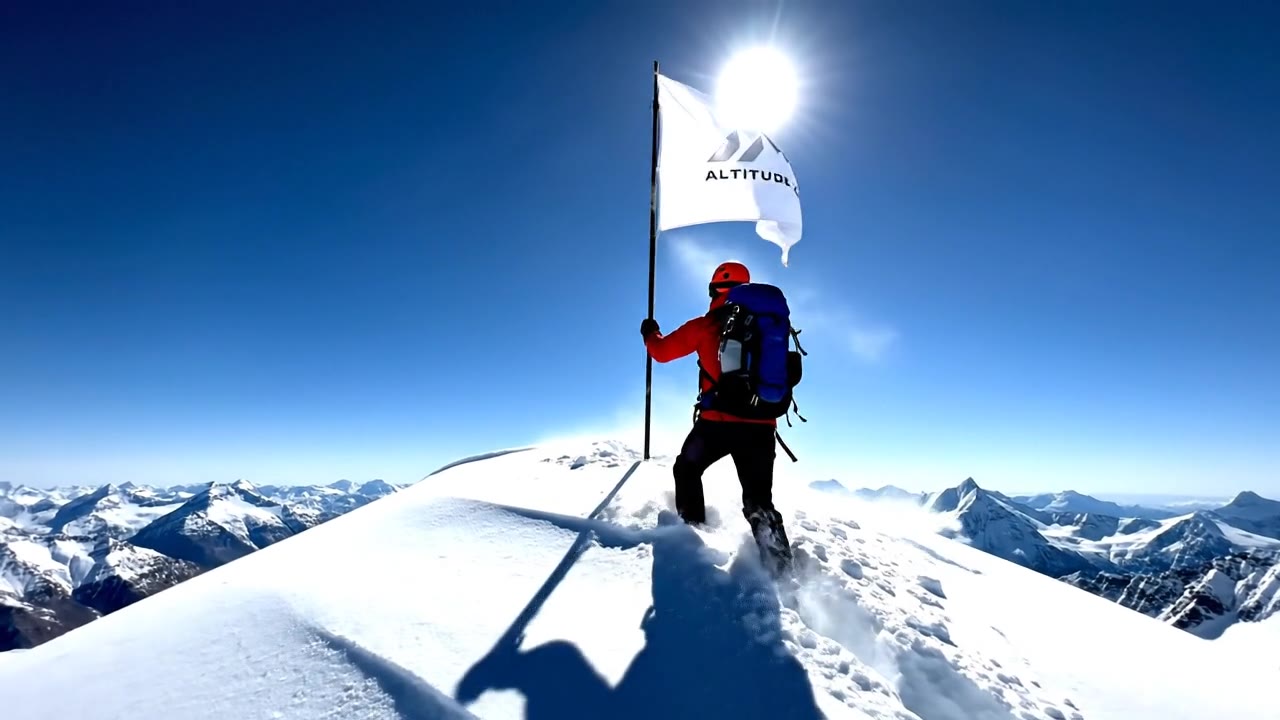
In high mountains, the available oxygen drops with every metre. Arriving pre-acclimatised helps your body cope with the altitude and lets you perform and enjoy it from the very first day of your expedition.
How hypoxia helps you
Three ways to train, in this order for you
01
During sleep
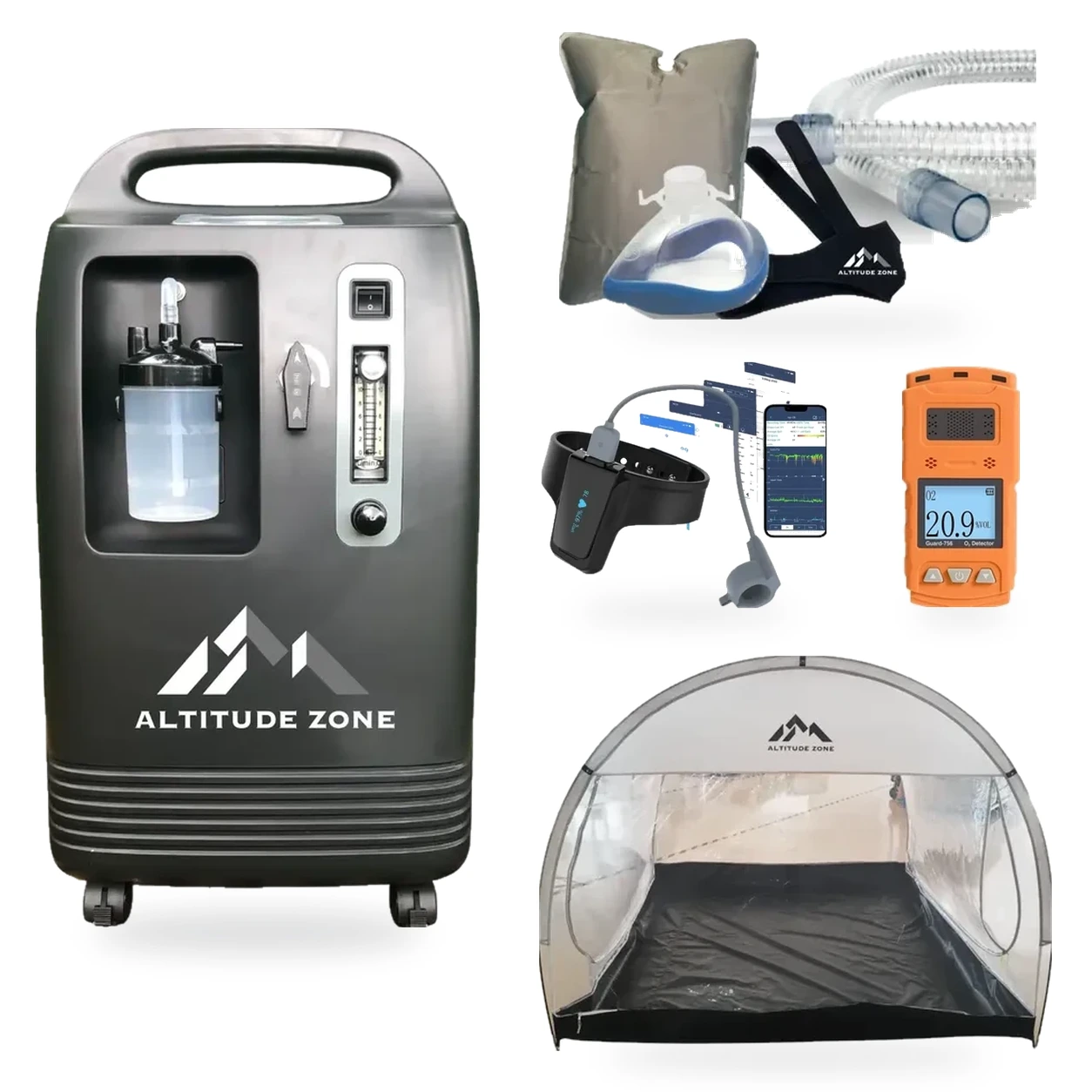
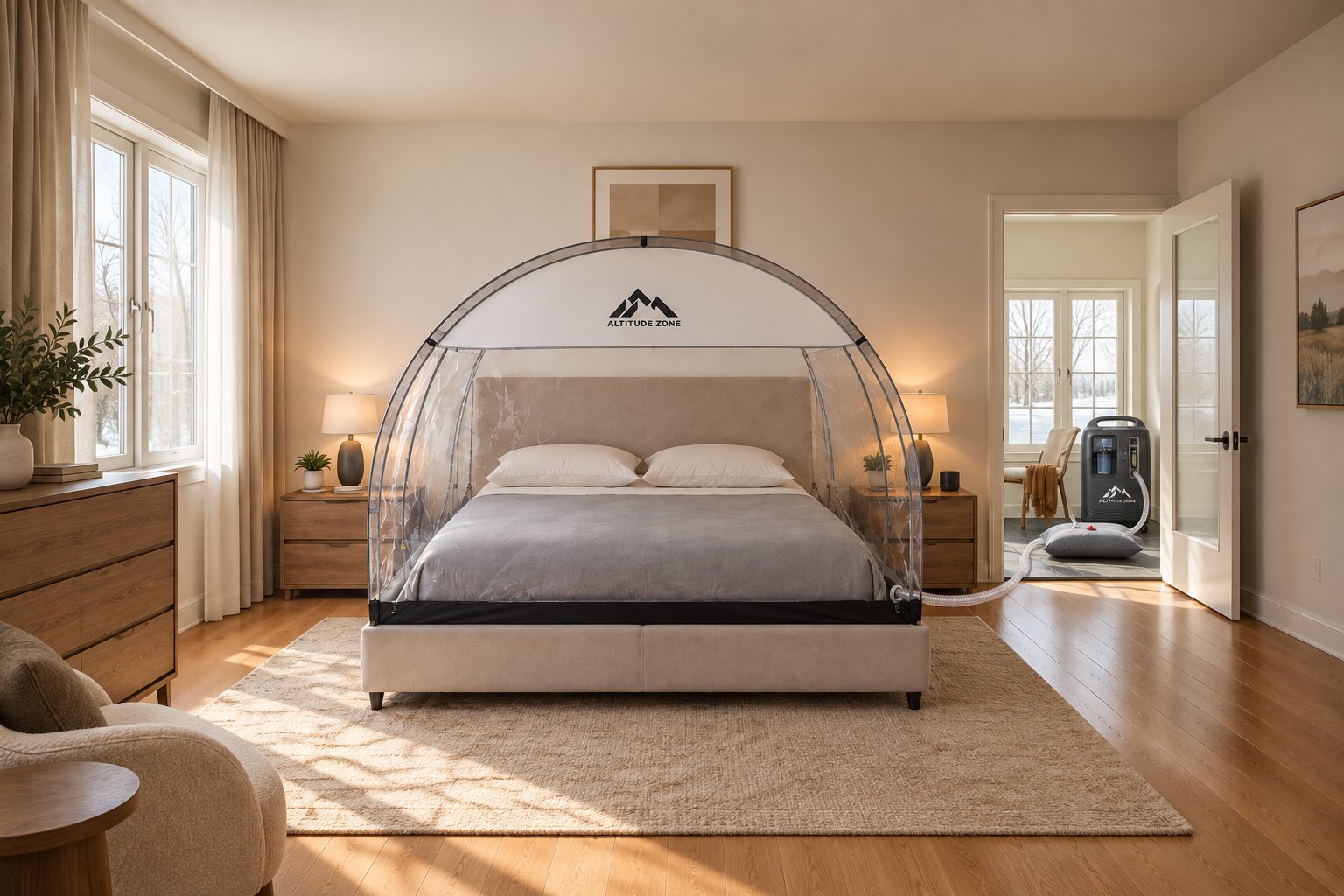
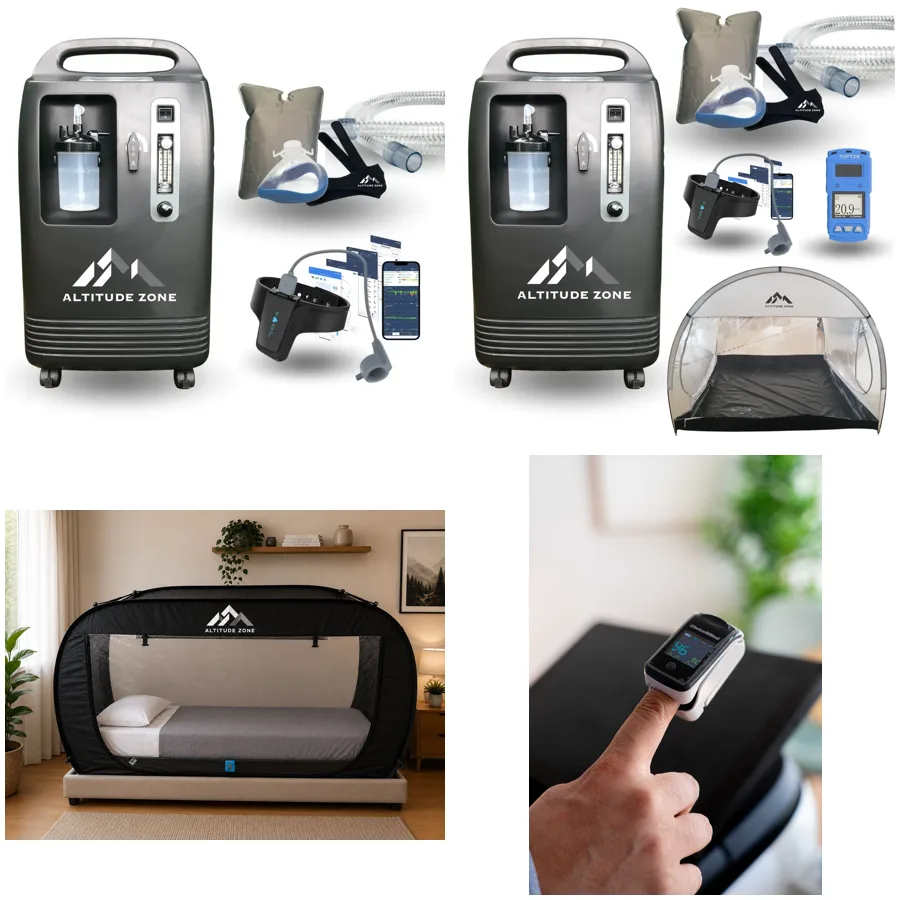
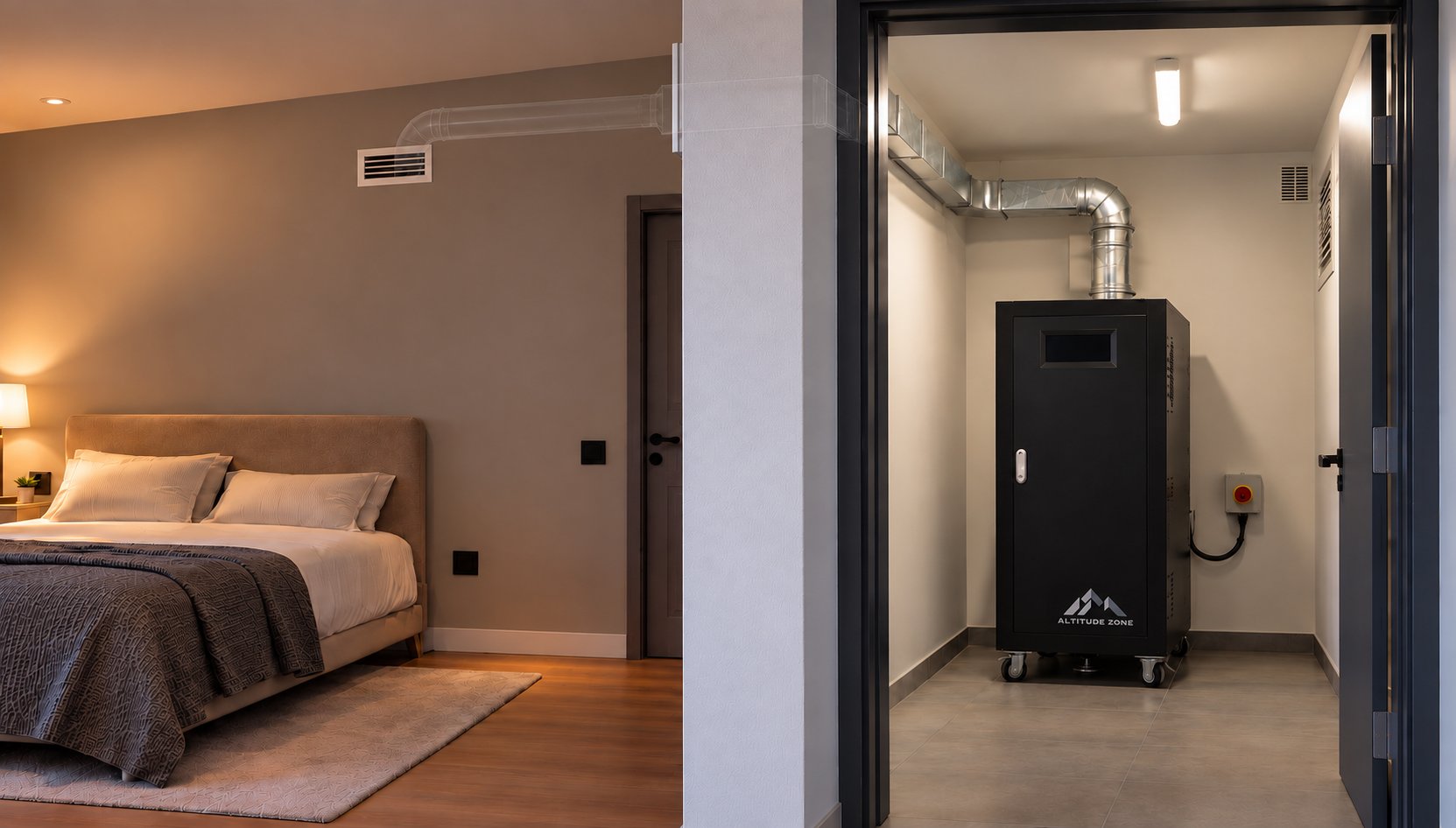
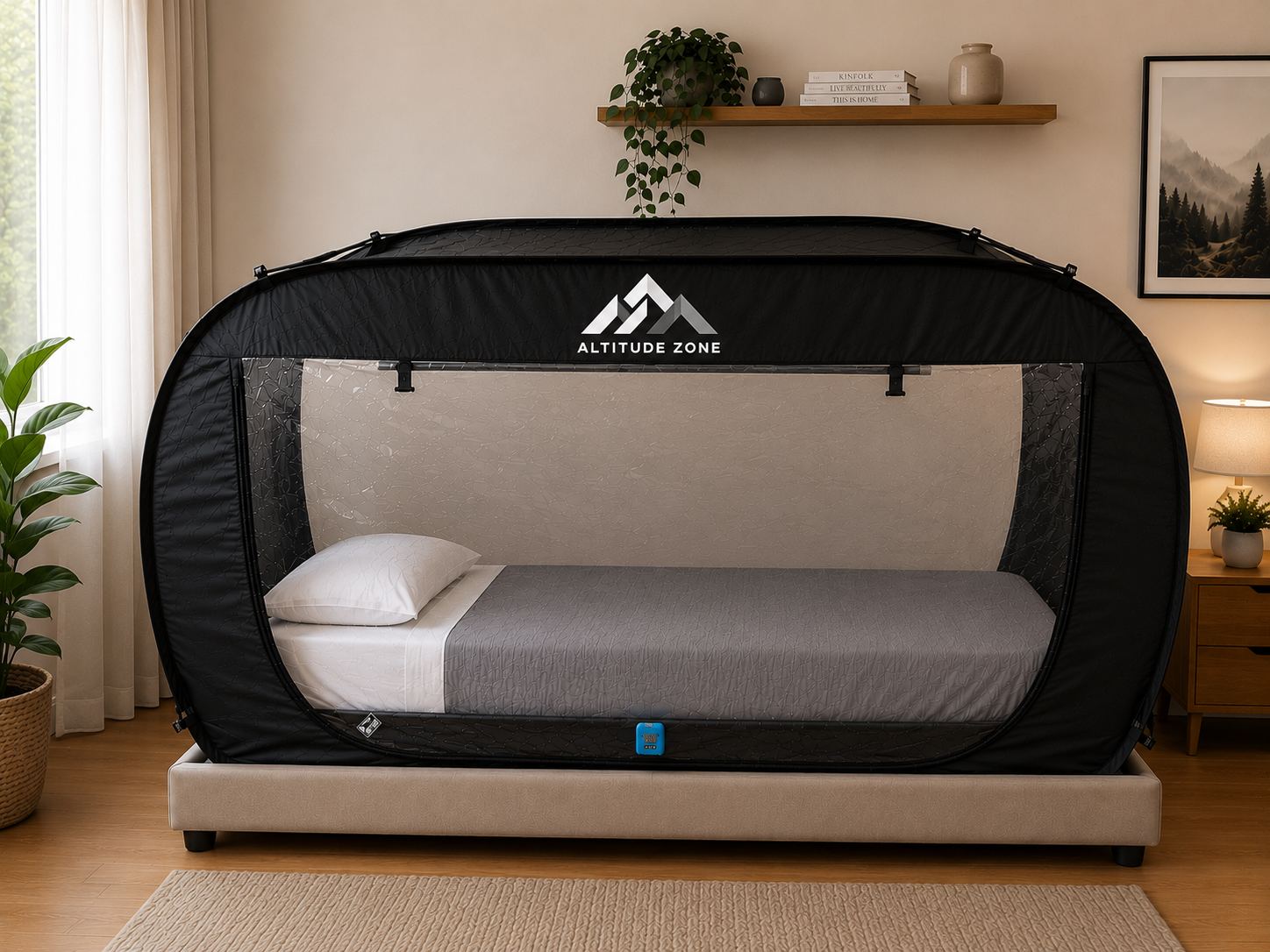
You sleep every night at the altitude you're going to face, up to 7,500 m simulated, with a controlled progression.
02
Intermittent at rest
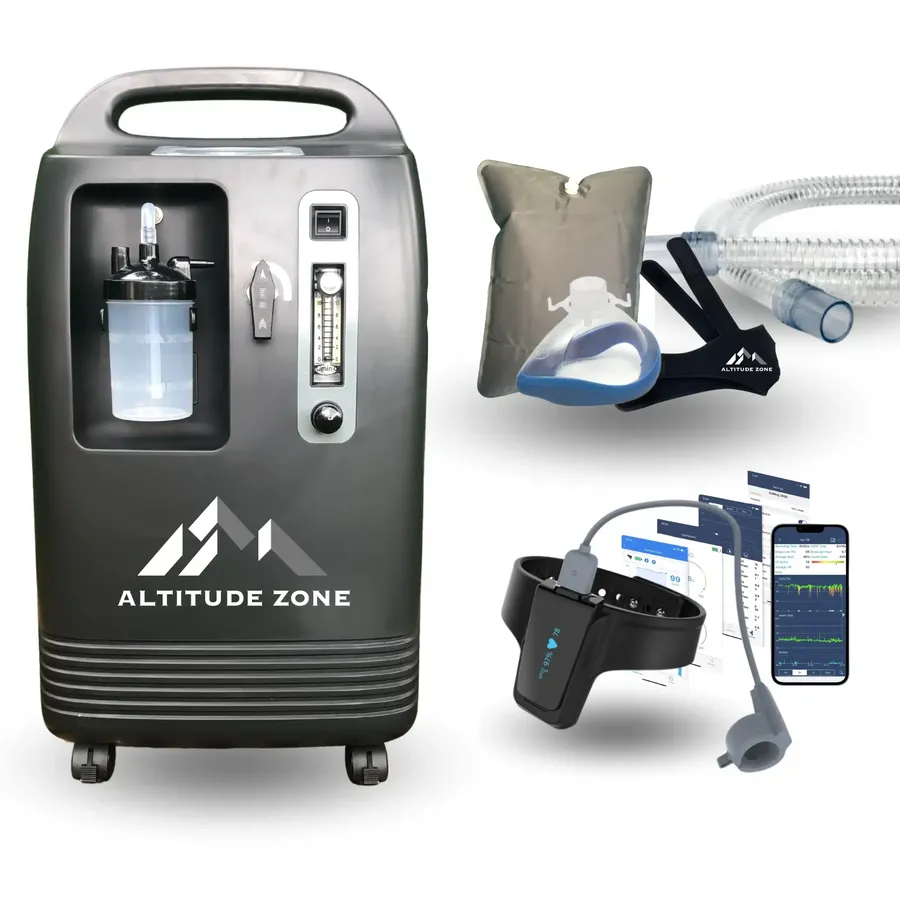
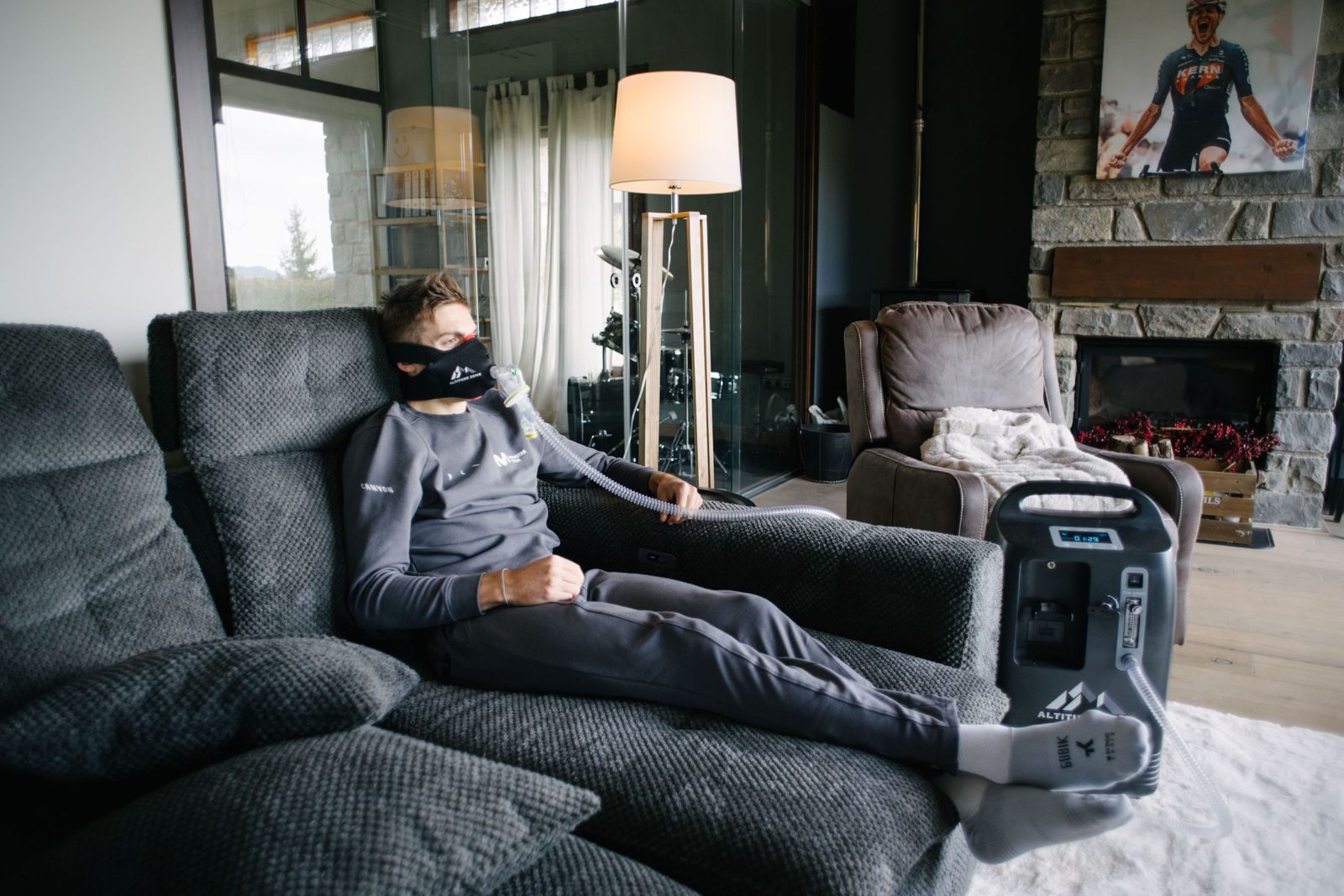
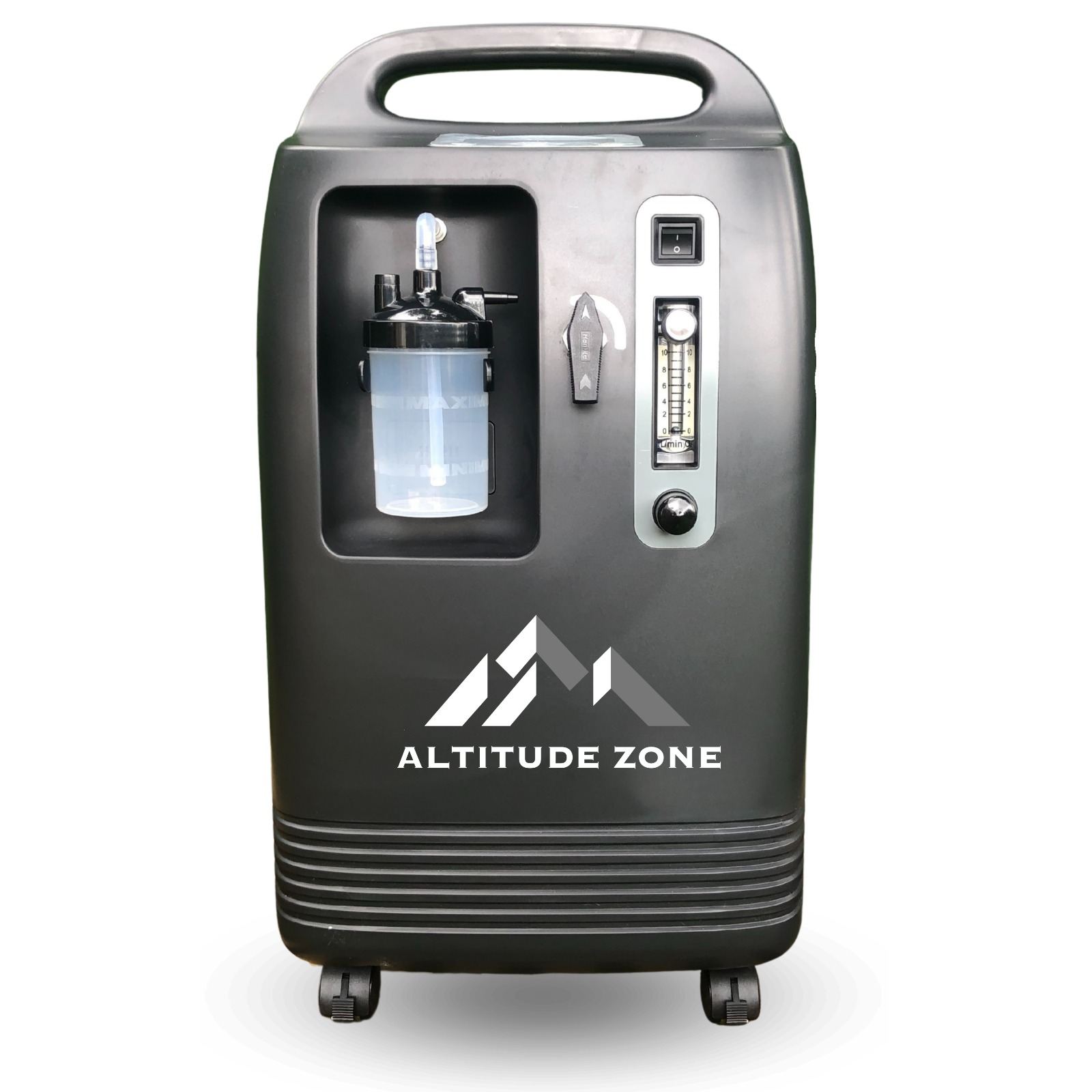
Seated sessions that get your altitude adaptation underway in the weeks beforehand.
03
Intermittent during exercise
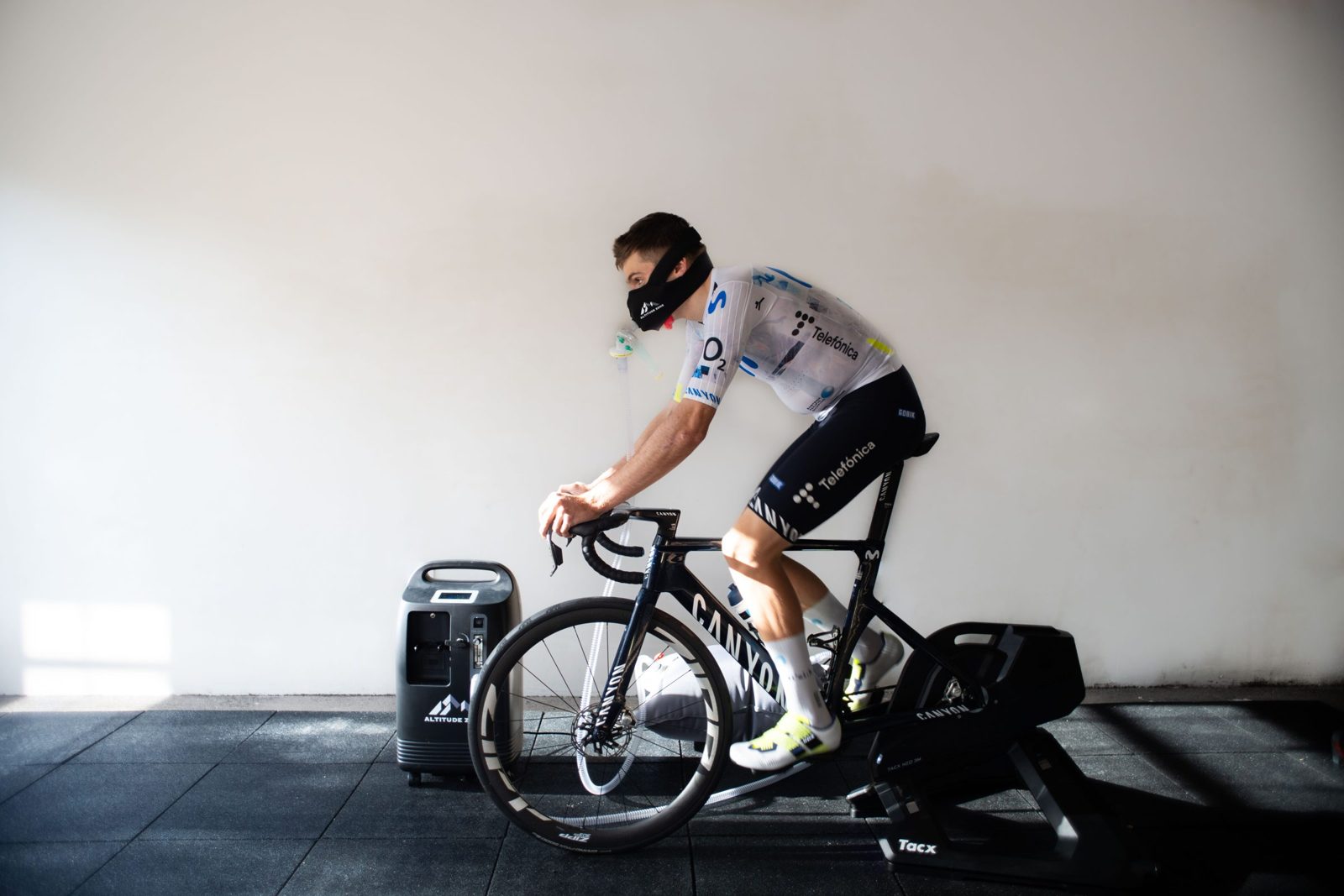
Workouts with the mask to get used to moving with little oxygen.
Your plan
What your calendar would look like
Weeks 1 and 2Intermittent hypoxia at rest. We start with a target saturation of 86 % and gradually lower it to 82 %.
From week 3You move on to sleeping in the tent, starting at 93 % saturation. If you feel good, after two weeks we drop to 92 %.
If we add exerciseUsually two days a week, whichever you choose, training with the mask.
Before competing8 days before, we remove the tent, and 3 days before, the intermittent hypoxia, so you arrive fresh.
I want my personalised calendarWe fit it to your competition dates, with no obligation.